
Veterinary Client Communication – Benefits, Effective Strategies, and Other Aspects
You have a thriving veterinary practice with a steady stream of patients coming through your doors. It can be easy to get caught up in your daily schedule and miss some details. From the moment they set an appointment to the moment these adorable pets are returned to their pet parents. Ensuring client satisfaction with your practice is always a priority. We have prepared some of the best client communication tips to help your team provide quality services.
So, let’s refresh our memory. What is client communication, anyway? In a nutshell, any interaction with your clients can occur in person, over the phone, or via the Internet. Today, establishing clear communication online is especially essential across multiple channels like social media, your website, or email.
Communication must feel personal to enhance client satisfaction and build trust. But what does this look like in practice? The following sections will explore the benefits of prioritizing communication training. Plus, plenty of easy-to-use practical strategies to improve client interactions.

Key Communication Tips To Try
It has become a common issue for any business today to deal with negative reviews. Dealing with negativity online can be challenging. However, don’t worry too much you can turn the situation around with a little bit of strategy.
Address the reviewer: First of all, it’s crucial that you acknowledge every negative review. Your clients want to be addressed individually, and that’s why you should ensure that you call each pet owner by name instead of using generic terms like ‘dear customer.
Say thank you: Your veterinary team members must be gracious with their response to the client’s concern. However rude or unflattering the review may be, you must thank them for bringing to light their concern with sincerity. The client’s position should be dealt with with care and finesse.
Apologize and sympathize: Humility is the key when you’re dealing with an unhappy customer. Even if your veterinary practice is not at fault, say sorry anyway. When practices appear too proud or unapologetic to clients, people often get turned off. Remember that you’re not just addressing an unsatisfied client; other possible clients also see how you deal with difficult situations.
Take responsibility: Your veterinary practice should not make excuses for what happened. Acknowledge the customer’s experience. At the same time, you should show the pet owner how your practice holds itself to the highest standard, which is why their satisfaction is your priority.
Talk offline: To discuss the issue in detail, you should reach out to the unsatisfied customer to fix the issue. Some details should be left out of the public space, and you should resolve the problem directly with the client.You may ask for their schedule for a call to discuss the matter.
Ask for another chance: To show how much your veterinary practice values each client, invite your unsatisfied client to come back to your practice. And promise them their next experience will be much better. This way, you can prove how much you appreciate their business and that you’re dedicated to improving a veterinary practice.
Key Benefits of Good Communication
Building Trust and Transparency
Proper patient care through communication empowers your team to establish its credibility in veterinary medicine. As you would be clear when explaining human medicine, effective communication involves clear explanations of treatment options, costs, and outcomes.
While you want to make your clients happy, you should be transparent and provide a realistic picture of what they can expect. They’ll want you more when you’re there so they can better gauge their options. You wouldn’t want to surprise them with extra charges. Nobody would appreciate suddenly being charged thousands of dollars as a surprise.
Enhancing Client Retention and Satisfaction

Building a solid community doesn’t happen overnight. It takes time and effort to build client relationships and position yourself as a veterinary expert in your area. The effort will have been worth it once you see the results.
Consistent communication can help your veterinary team increase client loyalty and positive experiences. While there is no guarantee that a single follow-up will entice patients to return, your goal should be to be top-of-mind in pet care. Even if past clients have no plans of returning, they might recommend your clinic to other pet parents who require your help.
Improving Treatment Compliance
Another valuable benefit your practice can enjoy from effective communication skills is that it ensures patients follow through with patient care instructions and treatment plans. While you should carefully explain to clients what they should do next, there is a chance they will not follow your instructions afterward.
Providing carefully worded instructions helps pet parents take better care of their pets. They also serve as guides in case they forget some steps and particular details. It would be ideal to leave no stone unturned rather than keep clients guessing what to do next. While you should be ready if they have questions, giving them all the tools needed to take care of their pets is better.
Pro Tip: Creating templates or guides can help your veterinary team provide routine instructions for the best pet care. You don’t always have to develop new ways of delivering the same message. After all, different clients will receive these instructions.
Reduce Misunderstandings
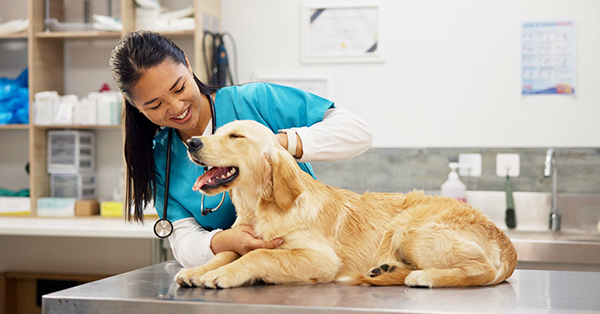
Regardless of how clear your instructions are, misunderstandings are inevitable. Even if you ensure transparent veterinarian-client-patient interactions, some things are out of your control. While it’s impossible to eliminate misunderstandings, you can reduce their chances.
Timely communication can reduce confusion regarding billing, your services, and procedures. Good nonverbal communication can help avoid potential issues that might strain your client relationships. If your client has a not-so-positive experience, transparent and empathetic communication can clear the air and help you make amends.
If you don’t live up to a client’s expectations, proper communication can help you navigate the situation and maintain a positive relationship with that client. How you handle that situation can make or break your relationship.
Start an E-newsletter
Starting an electronic newsletter or e-newsletter is an excellent way for your veterinary team to deliver news and insightful stories to patients. An e-newsletter is a modern email strategy used to generate client leads and foster a loyal patient base.
Start by using the email address list of your current and former clients to send them regular updates on your services and promos. You can also invite pet owners who visit your website to subscribe to your e-newsletter to stay up-to-date with news about your veterinary care practice.
Make every email blast count. An e-newsletter is an excellent platform to share exciting information about veterinary care and, of course, for client education. You wouldn’t want your clients to skip reading your emails, so you must share things that they may find valuable.
Like social media, newsletters are a great way to have a narrative with pet owners. While it’s recommended to keep captions concise yet compelling on social media. Opt to go into detail about your services and other possible topics of interest through e-newsletters. You can even get creative by including lively and fun visuals to support your emails.
Send Thank-You Emails and eCards

Your company email is not just for sending e-newsletters to your clients. You can use emails as an effective marketing tool to drive more sales to your business. A simple thank you email gives your patients a positive experience. At the same time, it shows how you value them trusting your practice.
Make sure you have automated thank you emails ready every time a client visits your veterinary practice. When clients fill out your online form, make sure they provide their email address and visit details so that it can easily be transferred to your database.
The way you design each thank you email or eCard should mirror your clinic’s personality. So don’t be afraid to insert fun elements like a cute pet picture or emojis. The email should put a smile on the recipient’s face.
Update Your Patients Via Social Media
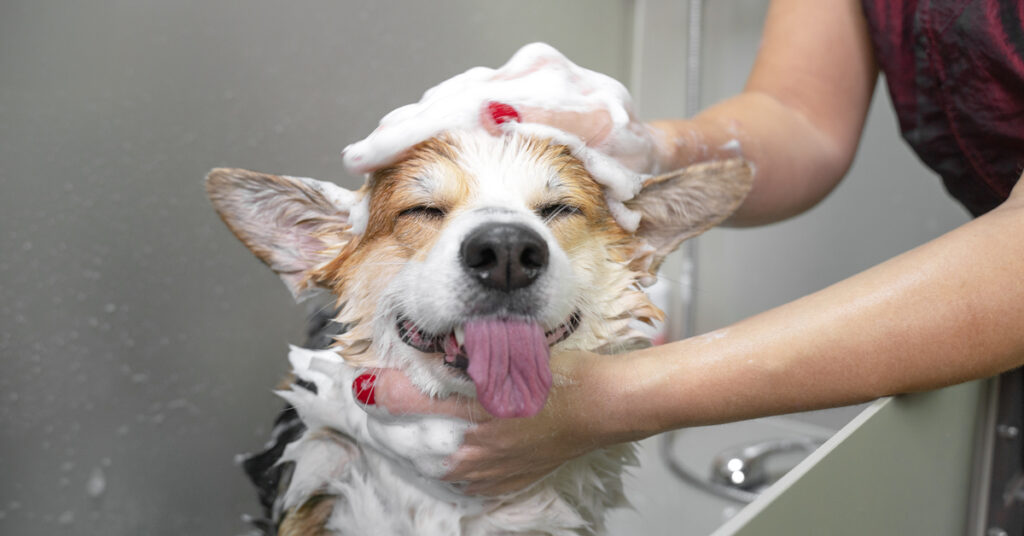
First off, make sure your practice has a presence on popular social media platforms like Facebook, Instagram, and Google My Business. Then focus on using these platforms effectively to communicate with your local pet owners.
With over 2.9 billion users worldwide, Facebook is the largest social media website. Facebook is an excellent platform to raise awareness about your veterinary practice. In addition, drive traffic to your veterinary website and educate clients about your practice.
Another popular platform your veterinary clinic should take advantage of is Instagram. This particular social media platform is all about visuals. It’s the ideal client communication channel to capture the work your practice is doing every day.
Keep Your Contact Information Updated
One social media platform most veterinary teams don’t maximize is Google My Business. It might just be the most critical client communications platform you’re not using to your advantage. This platform is where new clients within your area can search and find your practice on Google.
What’s great about Google My Business is it helps your practice’s online visibility so much. Make sure that critical information such as your address, website, operating hours, and services are specified and up-to-date in the business listing.
Read On: How to Claim Your Google My Business Listing
Key Strategies for Effective Client Communication

Personalized Communication for Client Retention
Personalized messages through email marketing and social media, such as specific reminders based on pet health history, can encourage more clients to be more proactive in taking care of their pets. When more pet owners actively communicate with you on social media, other potential clients might also be enticed to trust you with their pets.
Pro Tip: Personalization is integral in improving outcomes. Providing tailored health reminders or follow-up instructions increases clients’ likelihood of complying with recommended treatments or preventive care. Hence, you can help them lower the chances of further complications.
Pro Tip: Personalization should be used in appointment reminders, post-visit communications, newsletters, and direct client interactions. Inject some personalization whenever possible to provide clients with a better overall experience.
Building Trust with Transparency

You’d return to a medicine expert you trust, right? The same applies to a veterinary practice. Like you’d trust information that comes directly from the American Veterinary Medical Association (AVMA), pet owners would only entrust their pets to teams they can rely on.
Let’s face it: Visiting a veterinary practice can be stressful for pet parents. Booking an appointment at your clinic means there is a reason they can’t communicate work themselves at home. Clear communication about what clients can expect medically and financially helps reduce anxiety and builds confidence in the practice. Providing some much-needed reassurance can help them feel infinitely better about the situation.
Pro Tip: Being transparent can help minimize the risk of conflicts over billing, treatment plans, or health outcomes. Being upfront can help you manage your client’s expectations and avoid unwanted surprises. Transparency should be maintained throughout every stage of the client relationship, but it is particularly critical during consultations about treatment options, surgical procedures, and cost estimates.
Use Telemedicine for Client Convenience
The pandemic has demonstrated how effective virtual consultations can be in managing mild cases. By providing advice remotely, you can educate clients on the best steps they can take at home and reach clients who aren’t currently in your area.
All you need to jumpstart telemedicine for veterinary practices is a computer or mobile device and a fast internet connection. Ideally, each call should be taken in a quiet and clean space so you can give each patient your full attention. There should be no distractions, and a sound and video check should be done to ensure the call will go smoothly.
It would also be ideal to subscribe to a premium plan. While you can try free plans, they’re not ideal for lengthy calls. Moreover, you can use these platforms for internal communication and practice active listening.
Timely Follow-Ups and Reminders

Establishing automated systems can optimize your practice operations, so you provide better care for pet parents. An automated system can make it easier for clients to schedule appointments even after clinic hours. Some patients may be too busy to call your clinic while they’re at work or school. Allowing them to book an appointment at any time would make it easier for them to book an appointment with you.
An automated system can also help send text or email reminders to ensure your patient arrives on time. If they don’t make it to your clinic at their prescheduled slot, you can allow other patients to book an appointment and lessen your team time.
Providing a stellar patient experience doesn’t once the checkup or procedure is done. You should ensure clients schedule routine checkups to avoid complications and ensure the pets are healthy. There’s a chance your team might forget to remind your clients, so having an automated system can help you remind them.
The Role of Technology

Fortunately, technology has made it easier for veterinary professionals to improve communication skills and provide clients with a better experience. You don’t have to figure things out alone or go through mountains of paperwork to learn more about your patients. We’ll delve into how technology can work to your advantage.
Seamless Client Access and Omnichannel Communication
Gone are the days when clients were limited to in-person visits and phone calls to learn more about your practice and book appointments. You can now use various communication channels, like email, social media, and phone, to engage clients where they are.
The more options you provide patients, the easier it will be for them to contact you. Moreover, you can consolidate all communication through technology. Hence, everyone in the team is in the loop, and there is no confusion. Through the crafty use of technology, you can avoid double booking and other misunderstandings.
Automated Appointment Systems and Reminder Strategies

An automated booking system can spare your team plenty of stress. With so many communication channels available, if you don’t consolidate everything, there might be overlaps or confusion.
It can also make it more convenient for clients to book appointments with you anytime, anywhere. You can also send reminders to ensure they don’t miss their appointments. If something happens and they can’t show up on time, you can give other patients who need immediate care a chance to get an earlier slot at your clinic.
Telemedicine for Routine and Crisis Communication
The pandemic demonstrated how effective virtual consultations can be for basic care and emergencies. Sometimes, a patient doesn’t need to visit your clinic physically, and the pet parent might not have the time to visit your practice. Telemedicine allows them to consult with you through their laptop or mobile device.
Investing in a stellar platform allows you to take calls with patients whenever needed. While you can opt for free packages, you might not have enough time for lengthy client calls. Hence, exploring business packages for everyone’s convenience would be ideal.
Telemedicine platforms aren’t limited to client communication. Your team can also use these platforms to communicate with each other. You should maximize these platforms to get your money’s worth.
Using Data to Personalize Client Communication

One of the most significant advantages of technology is how it helps you maximize the data you have on hand. You can use existing data to improve communication accuracy and provide each patient with a personalized experience.
For example, a patient sheet makes it easier for you to send birthday reminders or relevant messages. If you know a particular patient is a cat owner, you can even send them a cat-related holiday greeting to get their attention and entice them to return to your practice.
Technology can also make it easier for your team to collect client data. While you should provide the option for manual sign-up forms, a virtual one can be helpful in data analysis. If the document is completed manually, you should digitize it as soon as possible to include the data in your database.
Streamlining Responses to Online Reviews

Let’s say someone leaves a review on Google or sends you a message on Instagram. With everything you have on your plate, monitoring these platforms and ensuring you’re constantly engaged might be challenging.
Fortunately, technology can help you manage your online reputation through automated alerts and prompt responses. Every time a patient leaves a review about your clinic, your team is automatically notified so you can take action if needed.
You can also prepare prompt responses to ensure every review is acknowledged. Whether the review is kind or not-so-flattering, you must pay attention to each and use them as lessons to improve your practice—there is room for improvement.
Time is of the essence in reputation management. You should respond to each comment promptly to show how proactive you are in communicating with your patients. If you take too long to respond, some people might think you don’t value your customers. Keep in mind that these public comments are free for all.
Other Aspects of Effective Communication
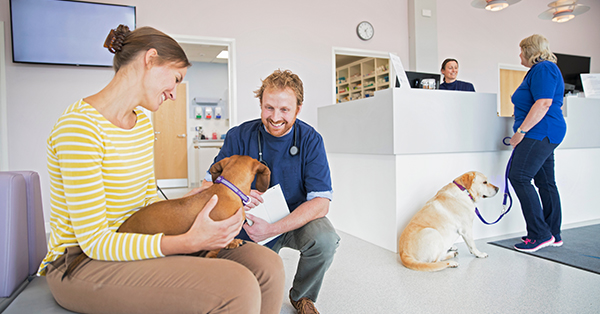
Communication is more than appointment booking and reputation management. We’ll talk about other aspects of effective communication that veterinary clinics should familiarize themselves with to provide the best care possible.
Crisis Communication
Maintaining open and timely communication during emergencies ensures clients are informed and reassured. Giving clients options to reach your team in emergencies can help them provide the best care. Sharing a phone number they can call if needed can save a life.
Crisis communication is not limited to emergencies. A work-related crisis or bad weather might affect business operations. Effective communication can help you manage these situations and keep everyone informed of what they need to know. Some clients might get upset if they visit your clinic and learn that your office is closed only once they try to open your front door.
Educational Communication
Demonstrating your expertise in the industry is a stellar way to establish your clinic as a pet care provider they can rely on. You should proactively send newsletters, share social media posts, and improve in-person communication during client visits.
If you have a website, you should share informative blog posts to help pet parents provide better care for their pets. These posts can drive current and potential clients to your clinic. If you’re working towards establishing your blog page, you can share trustworthy educational resources about pet care and treatments to increase understanding and engagement.
You can also explore leading your patients to your social media or other platforms. Simply sharing a helpful infographic posted on your Instagram can gain another follower.
Compliance and Legal Aspects
At the end of the day, you should ensure that you follow the law. While you should maximize the data you possess, you should ensure you comply with current regulations and privacy laws. The data you have should be treated with utmost confidentiality. You should not disclose information that might upset a client or get your clinic sued.
Moreover, you’re not permitted to share client information with business partners. If you have another business, you shouldn’t share client details with your other team without the client’s permission.
At the same time, you should inform patients of their rights. Pet parents should know what they’re entitled to and the limitations they have under the law. If you think a pet’s story is enough to be shared through your platforms, you should be given consent before sharing their story.
Partnering With iMatrix for Optimizing Your Communications Initiatives
Effective communication can enhance client satisfaction and improve pet care outcomes. Investing in your communication skills can elevate your business and keep everybody happy. Fortunately, technology has made it accessible even for small practices to enhance their veterinary communication. You don’t have to be a vast veterinary chain to have automated bookings.
Are you ready to improve clients through communication? iMatrix offers tailored packages so you can focus on delivering effective pet care. Call us at (888)792-8384 or click this link today to learn more.