8 Marketing Strategies Every Healthcare Provider Should Use
The healthcare industry is evolving rapidly, and so is how patients seek medical services. With over 60% of consumers researching healthcare online before scheduling appointments and 90% of Americans using social media for health information, digital healthcare marketing strategy has become an essential tool for healthcare providers. A well-planned and effective healthcare marketing strategy also helps professionals communicate their expertise, build credibility, and drive patient acquisition.
However, with increasing competition, healthcare organizations must adopt top healthcare marketing strategies to differentiate themselves and switch healthcare providers. Online reviews influence 94% of patients when choosing a provider, making reputation management and search engine optimization (SEO) critical components of an effective healthcare marketing strategy.
Using digital tools, social media, and relevant healthcare content marketing strategies, healthcare businesses can connect with patients, build credibility, and improve their visibility.

Essential Healthcare Marketing Strategy: Tips for Effective Growth
1. Enhancing Online Visibility through Search Engine Optimization (SEO)
For healthcare marketing, the first step is making sure people can find you. With 44% of internet users searching online for doctors or other health professionals and 36% looking up hospitals or medical facilities, ranking high on search engines like Google is essential.
Research also shows that search drives three times more visitors to hospital websites than non-search channels. A strong SEO strategy ensures that providers appear at the top of search results when patients seek medical treatments, boosting both traffic and trust.
Implementing Local SEO Strategies
For healthcare companies and facilities targeting local patients, local SEO plays a crucial role in improving search rankings. Here’s how healthcare facilities and organizations can optimize for local search queries:
- Optimize for Local Keywords: Use geo-specific terms in website content, page titles, and meta descriptions. For instance, if you run a cardiac hospital in Dallas, optimizing for keywords like “cardiac hospital Dallas” can help attract the right audience.
- Manage Google Business Profile (GBP): Claim and update your Google Business Profile with accurate details, including address, phone number, business hours, and services. This increases credibility and improves local search rankings.
- Encourage Patient Reviews: Since 94% of patients rely on online reviews, prompting satisfied patients to leave positive feedback enhances local SEO and builds trust.
- Ensure NAP Consistency: Your Name, Address, and Phone Number (NAP) should be uniform across all online directories to strengthen local search visibility.
2. Leveraging Pay-Per-Click (PPC) Advertising for Immediate Reach
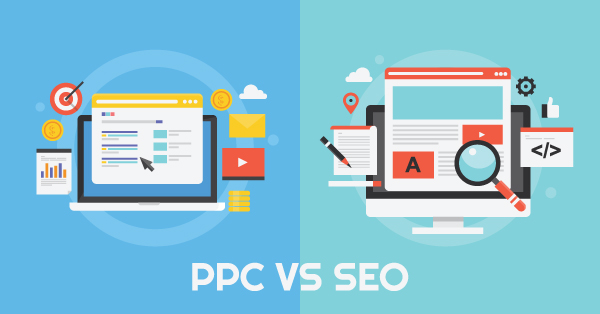
Pay-per-click (PPC) advertising is one of the most effective digital marketing strategies for healthcare firms looking to reach potential patients quickly.
In 2021, digital ad spending in the healthcare industry surpassed traditional TV ads for the first time, highlighting the shift toward online advertising. With PPC campaigns, healthcare providers can target specific demographics actively searching for healthcare services, ensuring their marketing efforts reach the right audience at the right time.
Benefits of PPC Advertising for Healthcare Firms
- Precision Targeting: PPC allows healthcare marketers to refine their audience based on factors like location, age, medical needs, and online behavior. For instance, a medical institution specializing in dermatology can target users searching for the “best dermatologist near me.”
- Budget Control & ROI Maximization: Unlike traditional advertising, PPC campaigns give healthcare businesses full control over their budget. By setting maximum bids on specific keywords, providers can manage costs while ensuring their ads appear in front of high-intent searchers.
- Performance Monitoring & Adjustments: Google Analytics and Google Ads provide real-time insights into click-through rates, conversion rates, and cost per acquisition. Healthcare organizations can track ad effectiveness and adjust bids, keywords, and ad copy for optimal results.
- Boosting Patient Acquisition: Since PPC ads appear at the top of search results, they drive immediate traffic to healthcare websites, leading to faster patient engagement and higher appointment bookings.
3. Engaging Patients through Social Media Marketing

A strong social media marketing strategy allows healthcare providers to connect with current patients and attract potential patients in a meaningful way.
Platforms like Facebook, Instagram, LinkedIn, YouTube, and TikTok have become essential channels for healthcare organizations to share valuable content, foster trust, and enhance the patient experience and engagement. With video marketing rising in popularity, healthcare brands that create engaging, informative content can build credibility while reaching wider audiences.
Strategies for Healthcare Providers to Engage Patients on Social Media
Collaborating with healthcare influencers is a powerful way for healthcare organizations to expand their reach and build trust with potential patients.
Choosing the right influencer is key—those with experience in healthcare services and patient education resonate best. Influencers can share personal healthcare journeys, create video marketing content, or host live Q&A sessions to engage their audience.
To measure success, healthcare marketers should track patient engagement, website traffic, and brand awareness. Ensuring compliance with healthcare advertising regulations is crucial, as influencers must avoid giving direct medical advice while maintaining credibility and ethical standards.
4. Building Trust Through Content Marketing
In the healthcare industry, trust is everything. Patients seek reliable information before choosing a provider, and content marketing allows healthcare professionals to establish authority by offering accurate, helpful, and engaging content.
A consistent branding well-executed healthcare content marketing strategy helps healthcare businesses address patient concerns, enhance credibility, and attract potential patients organically.

How Healthcare Providers Can Build Trust Through Content Marketing
- Blogging for Patient Education & Engagement
A regularly updated healthcare blog can provide healthcare consumers with valuable insights on common health concerns, treatments, wellness tips, and preventive care.
Incorporating SEO strategies by optimizing for search engine-friendly keywords ensures the content ranks higher on search engines, making it easier for patients to find reliable health information.
- Creating Educational Materials
Beyond blogs, healthcare organizations can develop engaging, easy-to-digest materials such as:
- eBooks & Guides: In-depth resources explaining complex medical topics in a simple, reader-friendly format.
- Infographics: Visual content that breaks down health conditions, treatments, and preventive measures in an easy-to-understand format.
- Videos & Webinars: Video marketing can humanize a medical institution, offering direct explanations from healthcare professionals, patient success stories, or step-by-step guides on medical procedures.
- Enhancing Online Reputation with Trustworthy Content: Address patient preferences by creating marketing messaging that aligns with their healthcare concerns. Use consistent messaging across healthcare websites, blogs, and social media platforms to reinforce credibility. Encourage patient testimonials and referring physicians to share insights that validate expertise and quality of care.
5. Nurturing Patient Relationships with Email Marketing

Email marketing remains one of the most effective digital marketing strategies for healthcare providers to maintain strong patient relationships.
By delivering personalized, relevant content, healthcare marketers can enhance patient engagement, encourage repeat visits, and ultimately drive patient acquisition.
Effective Email Marketing Strategies for Healthcare Providers
- Personalized Email Segmentation
Not all patients have the same needs. Segmenting email lists based on demographics, health conditions, or appointment history allows healthcare practices to send tailored messages. For example:
- Patients with chronic conditions can receive ongoing care tips.
- Expecting mothers can receive pregnancy-related health updates.
- New patients can get a welcome email with important clinic details.
- Content Ideas for Healthcare Emails
- Monthly Newsletters: Share health tips, patient testimonials, and the latest medical advancements to keep patients informed.
- Appointment Reminders & Follow-Ups: Reduce no-shows by sending timely reminders and post-visit follow-ups.
- Educational Email Blasts: Provide quick insights into trending health topics, preventive care measures, or upcoming healthcare marketing initiatives like webinars and workshops.
Note: Healthcare organizations must handle patient data with care, ensuring all email campaigns comply with privacy regulations. Using secure email platforms that meet HIPAA standards helps protect sensitive information and maintain trust.
Before sending marketing emails, obtaining clear consent from patients is essential to avoid violations. Moreover, providing an easy opt-out option ensures that recipients have control over their communication preferences, reinforcing ethical healthcare practices, and maintaining a positive relationship between providers and their patients.
6. Collaborating with Healthcare Influencers to Expand Reach

In this highly digital age, consumers often trust social media influencers more than traditional advertisements. By partnering with reputable healthcare influencers, healthcare organizations can increase brand awareness, patient engagement, and credibility while reaching a highly targeted audience.
However, it’s essential to follow federal guidelines and ensure that influencers do not provide direct medical advice.
How to Collaborate with Healthcare Influencers Effectively
Collaborating with healthcare influencers can significantly enhance a practice’s reach and credibility, but selecting the right influencer is crucial to success. Not all influencers align with every healthcare marketing strategy, so healthcare businesses should prioritize relevance, engagement, and compliance. Influencers with experience discussing healthcare services, patient experiences, or wellness topics tend to resonate better with potential patients.
A highly engaged audience is far more valuable than a large but inactive following, and credibility is key—ensuring the influencer adheres to HIPAA regulations, avoids giving direct medical advice, and complies with healthcare advertising standards is essential. Once the right influencer is chosen, developing valuable content collaborations can further establish trust.
Live Q&A sessions with an influencer and a healthcare professional offer real-time engagement and allow potential patients to get immediate answers to their questions. To ensure the success of these collaborations, healthcare firms should track key performance indicators such as patient engagement, website traffic, and brand awareness.
Metrics like more social media posts and interactions, Google Analytics insights, and increases in social media followers, email sign-ups, and patient inquiries all help measure the impact of the campaign.
7. Hosting Community Health Events to Foster Engagement

In-person experiences remain one of the most impactful ways to engage healthcare consumers. Hosting community health events allows providers to establish meaningful relationships, educate attendees, and interactively promote their health services.
These events offer health systems a competitive advantage by positioning a healthcare institution as a trusted community resource.
How do Healthcare Firms Benefit from Hosting Community Health Events?
- Planning & Organizing the Event
Identify the community’s health concerns and tailor events accordingly (e.g., basic health checkups, vaccination drives, mental health awareness seminars).
Collaborate with healthcare professionals and referring physicians to provide expert-led discussions. Offer interactive health education sessions, making complex topics more engaging.
- Promoting Events for Maximum Participation
Utilize social media marketing efforts and email campaigns to inform current patients and potential patients about the event.
Run digital marketing campaigns targeting specific demographics to expand outreach. Encourage patient testimonials online reviews from past attendees to create excitement and build credibility.
- Strengthening Community Engagement & Trust
These events allow medical practices and many healthcare providers and businesses to demonstrate their commitment to patient well-being beyond traditional healthcare advertising. Patients who attend and find value in these events are more likely to recommend medical practices to others.
Collect patient feedback to understand community needs and improve future events.
8. Launching Educational Podcasts to Inform and Attract Patients

With the rise of digital marketing strategies, podcasts have become a powerful tool for healthcare organizations to educate, engage, and attract potential patients.
A well-structured healthcare content marketing podcast can position a medical institution as a trusted source of information while enhancing patient engagement and strengthening brand awareness.
Steps for Healthcare Providers to Launch an Educational Podcast
- Choose a Relevant Topic: Focus on subjects that address patient concerns, healthcare trends, wellness tips, or insights from health professionals. Example: A healthcare company specializing in orthopedics might cover topics like “Managing Chronic Back Pain” or “Best Exercises for Joint Health.”
- Define Your Format & Structure: Decide on the length, tone, and style of the podcast. Options include solo episodes, expert interviews, or panel discussions with multiple healthcare professionals.
- Set Up Your Recording Space: Invest in a good microphone, audio editing software, and soundproofing to ensure high-quality recordings. Choose a quiet, professional environment to maintain credibility.
- Invite and Prepare Your Guest Speakers: Feature doctors, specialists, healthcare marketers, or even patient testimonials to share real experiences. Prepare questions and discussion points in advance to keep the conversation engaging.
- Record & Edit for Clarity: Use podcasting software to edit and refine audio, ensuring a smooth listening experience. Remove background noise and maintain a natural conversation flow.
- Publish Across Digital Platforms: Upload episodes to Spotify, Apple Podcasts, Google Podcasts, and other digital platforms. Embed podcast episodes on healthcare websites for better accessibility.
- Promote Through Social Media & Online Channels: Share snippets and highlights on social media platforms like Instagram, LinkedIn, and Facebook. Use search engine optimization (SEO) to improve discoverability on search engines. Leverage email marketing campaigns to notify current patients and encourage listening.
- Measure Success & Adjust Strategy: Track Google Analytics, patient feedback, and listener demographics to refine content. Monitor engagement rates, reviews, and social media shares to optimize future episodes.
iMatrix’s Result-Driven Healthcare Marketing Services at Your Fingertips
At iMatrix, we specialize in delivering comprehensive and effective healthcare marketing strategies and solutions tailored for chiropractors, eye care professionals, and veterinarians. Our goal is to help providers establish a strong digital presence, attract potential patients, and improve patient engagement through strategic healthcare marketing strategies and efforts.
At iMatrix, we combine digital marketing strategies with data-driven insights to help your practice grow and succeed. Whether you’re looking to enhance your online reputation, improve social media marketing, or implement advanced marketing campaigns, our team is here to support you.
Explore our services and see how we can transform your practice at iMatrix.com
FAQs
What are the 4 P’s of healthcare marketing?
The 4 P’s of healthcare marketing—Product, Price, Place, and Promotion—help healthcare providers effectively market their services. Product refers to services offered, Price reflects affordability and value for healthcare consumers, Place ensures accessibility through healthcare facilities or digital platforms, and Promotion includes marketing campaigns, social media marketing strategies, and digital marketing tactics to engage healthcare consumers and attract potential patients.
What is strategic marketing in healthcare?
Strategic healthcare marketing focuses on creating a structured plan to enhance patient acquisition, improve brand awareness, and engage healthcare consumers effectively. This involves market research, digital marketing strategies, SEO, content marketing, and patient feedback analysis to optimize healthcare marketing initiatives and efforts and build long-term trust in healthcare systems.
Is SEO an effective marketing channel for healthcare companies?
Yes, search engine optimization (SEO) is crucial for healthcare organizations. With most patients seeking health information online, a strong SEO strategy ensures that healthcare websites rank higher on search engines, driving more organic traffic, improving patient engagement, and increasing appointments. Local SEO, content marketing, and online reviews further enhance visibility and credibility.