7 Tips to Create a Great Ophthalmology PPC Ad Campaign
Imagine a patient desperately searching for an ophthalmologist—maybe they’re struggling with blurred vision, researching posterior polar cataract surgery, or worried about a posterior capsular rupture. What’s the first thing they do? Google it. 65% of consumers turn to Google before consulting a doctor or other medical professionals.
Now, here’s the kicker—if your practice isn’t showing up at the top of their search, they’re booking an appointment with someone else. That’s where PPC (Pay-Per-Click) advertising saves the day. Instead of waiting months for SEO to work its magic, ophthalmology PPC can put your practice in front of high-intent patients instantly. The result? More appointments, stronger brand recognition, and a steady flow of new patients.
However, not all PPC campaigns are created equal. Want to avoid costly mistakes and maximize your ad spend? Let’s simplify this with the seven smartest ways to create a winning ophthalmology PPC campaign.

1. Conduct Thorough Keyword Research for Ophthalmology Ads
Think of keyword research as picking the right spot for a billboard—except instead of hoping people drive by, you’re ensuring the right patients see your ad when they need it most. PPC isn’t about casting the widest net; it’s about precision—targeting the patients who are ready to book an appointment, not just browsing for information.
Start with high-intent, low-competition keywords that reflect what patients search for when they need an eye specialist. Instead of broad terms like “eye care”—which might attract casual researchers—focus on transactional phrases such as “LASIK consultation appointment” or “cataract surgery specialist near me.” Patients typing these queries aren’t just curious; they’re actively looking for a doctor.
Local intent matters, too. If someone in Chicago needs primary intraocular lens implantation, they’re likely searching for “best ophthalmologist in Chicago” rather than just “eye surgery specialist.” Geo-targeted keywords help attract the right audience without wasting your ad budget on clicks from people outside your service area.
Refining your keyword list further, solution-aware keywords—like “pediatric cataract surgery expert in Austin”—can capture patients searching for specialized treatments. By being specific and granular, you not only reach patients who need your services but also avoid bidding wars on overly competitive terms.
Another key strategy? Balance your keyword match types. Use a mix of exact match (to target high-converting queries like “cataract surgery consultation”), phrase match (to allow slight variations like “consultation for cataract surgery”), and broad match (to capture a wider audience while keeping an eye on budget efficiency).
Why does keyword selection matter so much? Because 70% of mobile searchers call a business directly from Google Ads when they find a relevant result Google Ads Research. That means choosing the right keywords doesn’t just drive traffic—it drives conversions.
Pro Tip: Steer clear of low-intent, research-based keywords like “what is a posterior capsule” or “how does cataract surgery work.” These may generate clicks, but they rarely lead to booked appointments. Instead, focus on action-driven terms that align with what your practice offers.
2. Optimize Ad Copy for High Conversions

Crafting the perfect PPC ad is like designing the perfect pair of prescription glasses—every word must be clear, precise, and tailored to the patient’s needs. The goal isn’t just to get clicks; it’s to turn those clicks into booked appointments.
Write for Patients, Not Just Search Engines
Patients don’t care about marketing jargon—they care about solutions. Address their pain points and offer a clear benefit. Instead of a generic ad like:
“Expert Ophthalmology Services – Contact Us Today!”
Try this instead:
“Struggling with cloudy vision? Get crystal-clear eyesight with expert cataract surgery. Book your free consultation now!”
By focusing on what the patient gains, your ad becomes more compelling and relatable.
Numbers Speak Louder Than Words
PPC ads that include numbers in their headlines can increase click-through rates (CTR) by 36% WordStream. Numbers add credibility and make ads feel more concrete and trustworthy.
Example of a data-driven ad:
“99% of LASIK patients achieve 20/20 vision – Find out if you’re a candidate! Call now.”
Example of a vague ad:
“Better vision with LASIK! Contact us today.”
The first ad feels trustworthy and persuasive because it provides a statistical proof point.
Highlight Your Unique Selling Proposition (USP)
Patients have options, so why should they choose you? Stand out by emphasizing what makes your practice unique:
- Years of experience in posterior polar congenital cataract
- Board-certified ophthalmologists with high success rates
- Thousands of successful congenital cataract surgery
- Cutting-edge technology for posterior capsular rupture treatments
Example:
“20+ years of expertise in cataract surgery with a 98% success rate – Schedule your appointment today!”

Call-to-Action (CTA) That Converts
A great PPC ad guides the patient toward action. Make your CTA clear, direct, and urgent.
High-converting CTAs:
- “Book a LASIK Consultation Today!”
- “Call Now for a Free Cataract Surgery Evaluation!”
- “Schedule an Eye Exam – Limited Spots Available!”
Avoid weak CTAs like “Learn More” or “Click Here,” which don’t drive urgency.
Test, Optimize, Repeat
The best PPC ads aren’t written once and forgotten—they’re A/B tested to find what works best. Try different:
- Headlines: “20/20 Vision After LASIK” vs. “Say Goodbye to Glasses – Book LASIK Today”
- Descriptions: “Painless Cataract Surgery with Same-Day Recovery” vs. “Advanced Cataract Surgery – Fast, Safe, Reliable”
- CTAs: “Call Now” vs. “Schedule a Consultation”
Your ad copy is your first impression—make it count. With patient-focused messaging, data-backed claims, and strong CTAs, your ophthalmology PPC ads will attract more patients and increase conversions.
3. Utilize Ad Extensions for Maximum Visibility

Your PPC ad is like a storefront window—without the right details, potential patients might just walk past.
Google Ads extensions act like a bigger, brighter display, making your ad stand out while offering additional ways for patients to interact with your practice.
Ad extensions are extra snippets of information added to your Google Ads, providing more details, more links, and more ways to convert. They enhance your ad by displaying contact information, services, and benefits—making it easier for patients to click, call, or book an appointment.
And here’s why they’re a game-changer: Ads with extensions increase CTR (click-through rate) by 10-15% Google Ads Research. That’s more visibility, more clicks, and ultimately more patients for your practice.
Best Ad Extensions for Ophthalmologists

Call Extensions – Make It Easy to Contact You
Patients searching for cataract surgery or LASIK consultations don’t want to fill out forms—they want answers now. A call extension lets them tap your ad and call your practice instantly.
Example: “Need an eye exam? Call us now for same-day appointments!”
Location Extensions – Bring Patients to Your Door
Your clinic’s location matters, and a location extension helps patients find you faster. It displays your address, Google Maps directions, and office hours right below your ad.
Example: “Visit our eye care center in Miami – Walk-ins welcome!”
Sitelink Extensions – Guide Users to Key Pages
Patients searching for posterior polar cataract surgery might also be interested in other treatments. Sitelink extensions allow you to direct traffic to specific pages on your website, like:
- “Book a LASIK Consultation”
- “Learn About Thin Posterior Capsule”
- “See Accepted Insurance Plans”
Callout Extensions – Highlight Your Best Selling Points
What sets your practice apart? Callout extensions allow you to showcase key benefits, like:
- “20+ Years of Experience”
- “Same-Day Appointments”
- “Insurance Accepted”
These short boosters of credibility build trust and encourage conversions.
A great ad isn’t just about the headline—it’s about creating an ad experience that is informative, clickable, and action-driven. With the right ad extensions, you can increase visibility, improve CTR, and drive more patients to your practice.
4. Set Up Proper Audience Targeting for Your PPC Ads

Running a PPC campaign without proper audience targeting is like handing out business cards in a random crowd—you might get lucky, but most of your effort goes to waste.
The key to success is ensuring your ads reach the right people, in the right place, at the right time—not just anyone searching for eye-related topics.
Would you run an ad in New York if your clinic is in Dallas? Of course not! Geo-targeting ensures your ads appear only in areas where you serve patients. You can set your ads to show:
- By city or state (e.g., “Top-rated ophthalmologist in Miami”)
- Within a specific radius (e.g., 20 miles around your clinic for local reach)
- Near high-traffic locations (e.g., targeting ads near hospitals or retirement communities for cataract treatments)
But location alone isn’t enough. Demographics play a huge role. A 20-year-old researching LASIK won’t have the same needs as a 65-year-old seeking cataract surgery.
If your ad promotes posterior polar cataract surgery, it should target older adults, while an ad for LASIK consultations should focus on younger individuals looking to ditch their glasses. The more refined your targeting, the higher the chance of conversion.
Now, let’s talk about the patients who almost booked but didn’t. Retargeting brings them back. Ever visited a website and then started seeing ads for it everywhere? That’s retargeting at work. Since retargeting ads convert 10x better than standard display ads, they’re a must for an effective ophthalmology PPC strategy.
If someone clicked on your cataract surgery ad but didn’t schedule an appointment, they should see a follow-up ad reminding them to book before available slots fill up.
And don’t forget mobile optimization — because that’s where most searches happen. With 59% of global website traffic coming from mobile devices, your campaign must be mobile-friendly.
Patients won’t waste time on slow-loading pages or clunky booking forms. If they can’t easily click a “Call Now” button or schedule an appointment in seconds, they’ll move on.
5. Optimize Landing Pages for High Conversions
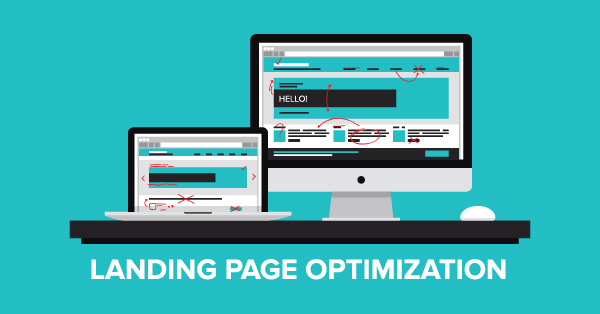
Getting a potential patient to click on your ad is only half the battle.
If your landing page doesn’t immediately reassure, inform, and guide them toward booking an appointment, they’ll leave faster than you can say preexisting posterior capsule defect.
A great PPC landing page should be fast, clear, and conversion-focused—not a confusing maze of information.
If a patient clicks on a LASIK ad, they should land on a page specifically about LASIK, not a general homepage. Message match between ad copy and landing page content is crucial for trust and engagement.
Simplicity wins. Clunky forms? Too many distractions? Slow-loading pages? Say goodbye to conversions.
Patients don’t have time to fill out long forms or wait for a slow page to load. In fact, if a page load time increases from 1 second to 3 seconds, the probability of a bounce rises by 32% Think with Google. Speed optimization isn’t optional—it’s a must.
A strong CTA is the backbone of a high-performing landing page. Something direct like “Book Your Eye Exam in 30 Seconds” removes hesitation and encourages quick action.
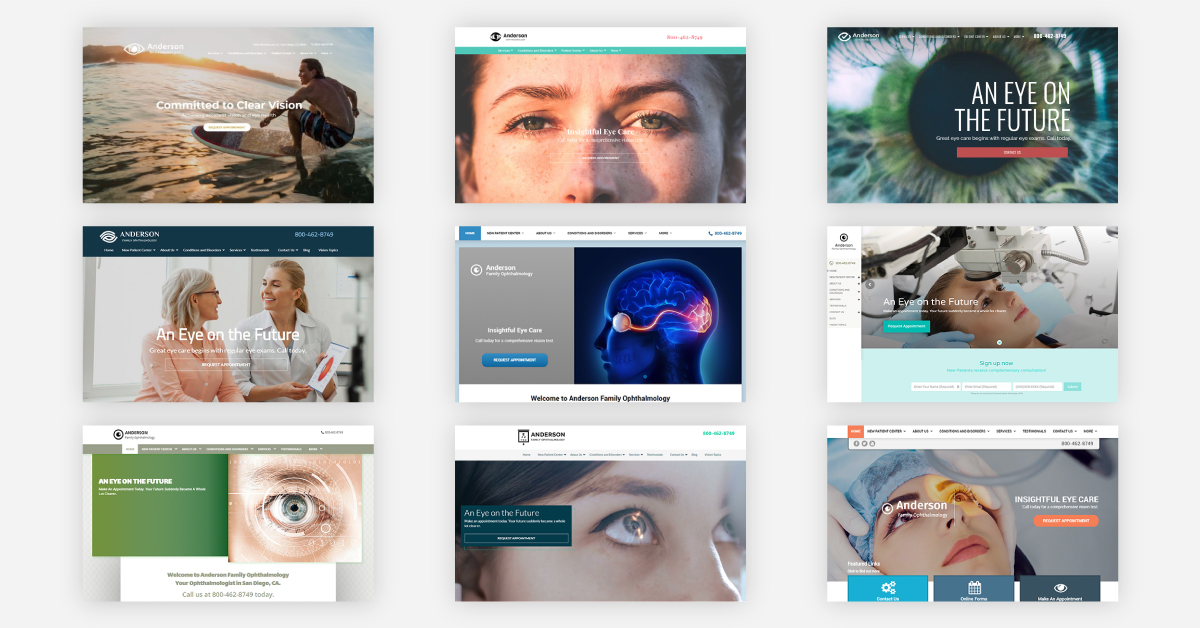
Credibility matters too. Patient testimonials, before-and-after images, and board certifications build trust. A potential LASIK patient wants proof that your practice delivers real results. Seeing glowing testimonials or success rates can turn hesitation into commitment.
6. Manage PPC Budget Effectively to Maximize ROI

Running a PPC campaign without proper budget management is like leaving the water running—you’ll waste resources without realizing it.
To make the most of your ophthalmology PPC ads, every dollar spent should contribute to attracting high-intent patients and driving conversions.
A realistic budget for surgical management is essential. Instead of spreading your surgical management budget too thin across multiple services, prioritize high-revenue procedures like LASIK consultations, cataract surgery, and intraocular lens implantation. These treatments bring in more revenue, so investing in them first yields a higher return.
Bid adjustments play a crucial role in ROI. If a keyword is driving appointments, don’t hesitate to increase spending on it.
Conversely, eliminate or lower bids on search terms that generate clicks but not actual patient leads. Businesses that continuously optimize PPC bids see a 20% lower CPC compared to those who “set and forget” their budgets.
Using automated bidding strategies like Target CPA (Cost-Per-Acquisition) can help control costs while maintaining high-quality leads. This ensures you’re paying only what’s necessary to acquire a patient without overspending on expensive, low-return keywords.
Monitoring budget pacing is another key factor. The last thing you want is to burn through your budget in the first week of the month with nothing left for the rest of the campaign period. Using budget pacing tools and adjusting CPC bids in real-time allows for steady, sustained visibility in search results.
7. Track and Analyze Campaign Performance for Continuous Improvement
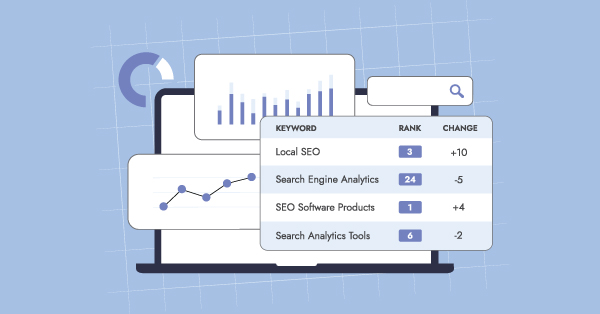
A successful PPC campaign isn’t about setting ads live and hoping for the best—it’s about constant monitoring, analysis, and optimization.
Without tracking performance, you’re flying blind, wasting your budget on ads that might not even be converting.
Google Analytics and Google Ads tracking should be your best friends. Setting up conversion tracking allows you to measure what actually drives patient appointments—whether it’s phone calls, form submissions, or scheduled eye exams.
Some key metrics that tell you whether your campaign is working:
- Click-Through Rate (CTR): Are people engaging with your ads? A low CTR means your ad copy needs improvement.
- Cost-Per-Click (CPC): Are you paying too much for each click? Lowering CPC helps stretch your budget.
- Conversion Rate: Clicks are great, but appointments matter more. This metric shows how many clicks turn into real patients.
- Quality Score: Google rewards relevant, high-quality ads with lower costs and better placements. If your Quality Score is low, tweaking ad relevance and landing page content can help.
Data is your greatest asset. In fact, 76% of healthcare marketers say data-driven decision-making improves their PPC campaign performance.
But tracking data is just the first step—acting on insights is where the real improvements happen. This is why testing is essential. A/B testing different ad copies, keywords, and landing pages helps pinpoint what resonates most with potential patients.
Even small tweaks—like changing a CTA from “Learn More” to “Book a Consultation Now”—can lead to significant improvements in conversions.
Your Patients Are Searching—Will They Find You?
Every day, potential patients are Googling “best ophthalmologist near me” or “LASIK consultation today.” If your practice isn’t at the top of those search results, they’re booking with someone else.
This isn’t about just running ads—it’s about running them strategically. That’s where iMatrix comes in. We specialize in Google Ads for ophthalmologists, helping clinics like yours attract more patients, book more appointments, and maximize ROI. With data-driven keyword targeting, compelling ad copy, and budget optimization, we turn clicks into real, paying patients.
Stop letting competitors take your patients. Let’s make your PPC ads work smarter, not harder. Book a FREE strategy session with iMatrix today!