
Website Content Writing: A Beginner’s Guide
Website content makes a lasting first impression, long before someone decides to book an appointment. When your page clearly explains services and is easy to read, you create the trust that encourages potential customers to explore other pages and stay long enough to learn more about your practice.
AI tools may answer questions quickly, yet your website still determines what readers see in search results. Large language models rely on written pages for accurate details, and Google notes that it continues to send billions of clicks to the web through its AI-supported search experience. This shows how important strong writing remains for visibility.
Clear and engaging website content supports search engine optimization, helping your practice appear accurately across the web. This guide introduces the basics of web content writing and shows you how to create content that feels confident and helpful.

Key Takeaways
- Website content remains essential and shapes how both users and AI systems perceive a business.
- Good web content requires keyword research, a clear structure, strong data, and strategic formatting.
- Visuals, CTAs, and an engaging introduction significantly improve user engagement.
- Optimizing content for AI and LLMs ensures better visibility and accuracy across search tools.
What Is Web Content Writing?
Web content writing is the practice of creating structured and search-optimized website content that informs readers, answers questions, and presents important information in a clear conversational style. It focuses on writing content that helps potential customers learn about your services while giving search engines a clear understanding of what your page offers.
This type of writing combines educational, persuasive, and informational material, allowing your website to guide users through each topic with ease.
Strong website content writing supports search engine optimization, makes your page relevant to most users, and gives site visitors a smooth path to explore other content across your website.
Types of Web Content
1. Service Pages
Readers often land on a service page first, so the information you share here needs to feel clear and useful from the start. A strong service page provides site visitors with a clear explanation of what you offer, why the service is important, and how it benefits their care or experience with your practice.
Once the main idea is established, the page requires a structure that enables users to easily locate the most important information, without lengthy paragraphs or unnecessary text.
Service pages perform best when they use search engine optimization, clear titles, and natural internal links that help readers move toward other content across the site. This gives your web page stronger relevance in search engines and helps potential customers stay engaged as they explore your services.
2. Blog Posts

A blog post gives your website a space to teach, guide, and share ideas in a way that feels personal to your readers. When your article offers clear explanations and places the most important information at the top, you help new visitors settle into the page with confidence.
As the reader moves through the content, each blog gives your practice a chance to add depth to your website and expand your presence in search results. Accurate research, structured writing, and gentle SEO optimization help your page stay relevant while internal links lead users toward other content they may want to explore.
With a steady flow of well-written articles, your website builds topical authority and becomes more valuable to both search engines and real readers.
3. Landing Pages
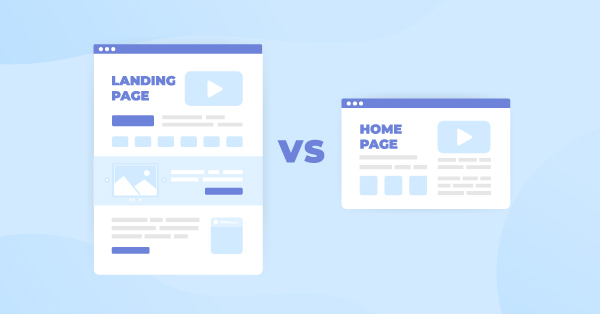
A landing page works best when it gives your audience one clear direction. Instead of covering every service or topic on your website, it focuses on a single purpose and presents it in a way that feels simple, welcoming, and easy for readers to move through.
Rather than pushing users toward a decision, the rest of the page creates the right environment for it.
A well-placed call to action, short sentences, and relevant information build a natural rhythm that keeps visitors interested. Search engine optimization then supports the page by improving visibility, making it easier for new visitors to arrive with intent already in mind.
4. About Pages / Team Pages
Every business has facts, but what people remember is the story. An About page gives you space to tell that story, where the practice began, what motivates it today, and how your values shape the way you help patients. When written with warmth and authenticity, this kind of web content turns a simple introduction into a reason for readers to trust you.
That trust deepens when visitors meet the faces behind the name. A thoughtful Team page brings expertise to life by showing real people with real experience. It moves the conversation from what you do to who does it and why they care. This personal detail builds confidence, encourages connection, and helps potential customers feel comfortable choosing your services.
Web Content Writing Guide: Step-by-Step
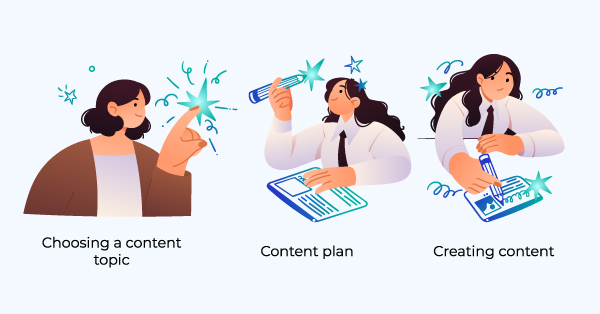
1. Figure Out Target Keywords
Identify Primary Search Intent
Every successful piece of website content starts with understanding why someone is searching in the first place. Before writing a single word, you need to know what your audience wants to find and how they phrase those needs in search engines. This is where keyword intent comes into play. Every search tells a story about purpose.
Some keywords show that readers are looking for answers, which makes them perfect for blog posts. Others reveal that a person is comparing services or ready to take action, which suits service pages or landing pages better.
When you identify these differences, your content naturally aligns with what users expect to see on that page.
Writing without this awareness often leads to low engagement and high bounce rates because the content misses its mark. High intent keywords might be more competitive, but they attract visitors who are ready to act and improve your visibility across both search engines and large language models.
Build a Keyword Set (Primary, Secondary, Semantic)
Strong web content doesn’t begin with writing; it begins with choosing the right language.
Every page that performs well in search engines is built around a carefully planned keyword set, one that connects how people search with how your website communicates. The goal is to create content that sounds natural to readers yet signals clear relevance to search algorithms.
Start with a primary keyword, the anchor that defines your topic. For example, a page focused on chiropractic marketing strategies gives both search engines and users a clear understanding of what the content offers. From there, secondary keywords add layers of meaning and context, helping your content appear for closely related searches.
To enhance accuracy, include semantic or NLP terms that AI systems recognize as related concepts. These phrases build topical depth and help large language models interpret your article correctly, improving visibility across voice search and conversational queries.
With this balance, your content feels more natural to readers and more relevant to search engines, the perfect foundation for high-quality SEO writing.
Analyze Competitors
Before publishing any piece of website content, take a closer look at who is already ranking for the same topic.
Competitor analysis helps you see what search engines consider valuable and what real readers are engaging with. By studying how top pages use keywords, structure their headers, and organize information, you gain insight into the standards your own content needs to meet or exceed.
The real opportunity comes from spotting what others overlook. Maybe competing blogs skip over common user concerns, lack relevant data, or rely on long paragraphs that lose reader attention. When you identify those gaps, you can create high-quality content that answers questions more directly, includes stronger internal links, and uses a more engaging structure.
Map Keywords to the Correct Page Type
Keywords may bring traffic, but only when they’re placed where they belong. Each search term carries intent, and matching it to the right type of page decides whether visitors stay or leave.
A blog post helps when users seek knowledge, a service page works when they compare providers, and a landing page performs best when they are ready to act. Knowing this distinction gives your website content both clarity and purpose.
When keywords appear on the wrong kind of page, the result is mixed signals for both search engines and readers. Visitors might arrive expecting one thing and find something else, which can lower engagement and weaken rankings.
To stay consistent, create a simple keyword map spreadsheet that connects each term to its correct page type and URL. This structure keeps your content organized, aligns intent with user needs, and strengthens your overall search engine optimization strategy.
2. Figure Out Target Audience

Identify Who the Content Is For
Every great piece of web content begins with one clear goal: to speak to the right person in the right way.
Knowing your audience changes everything, from how you open a paragraph to the kind of examples you use. A chiropractor reading your page expects different details than a pet clinic owner or an optometrist, so your word choice, length, and phrasing should always reflect that difference.
At iMatrix, audience focus guides the writing of every article and service page. A post intended for chiropractors discusses patient retention, wellness programs, and spinal care, rather than the general marketing advice often found on the internet. For veterinarians, the same topic shifts toward pet wellness, client education, and community trust.
When content respects those distinctions, it feels real, builds credibility, and holds attention far longer than one-size-fits-all writing ever could.
Understand Their Pain Points
Before writing content, it helps to step into the reader’s world and see what keeps them searching. Every visitor arrives with a reason; some want clear answers, others compare prices, and many simply look for someone they can trust.
Recognizing these motivations gives your web content direction and ensures that each section of your page feels purposeful rather than generic.
Pain points reveal where your audience needs more clarity or reassurance. A chiropractor’s potential patients might worry about long-term care costs, while pet owners visiting a veterinarian’s website could be searching for safe treatment options. These insights show which parts of the content deserve more real-life examples, deeper explanations, or data that builds confidence.
Using audience research tools, reviews, and social listening, you can identify recurring questions or frustrations and create website content that responds directly, making readers feel understood instead of sold to.
3. Research for Data, Facts, and Information

Gather Verified, Authoritative Data
Reliable information gives your web content real credibility. Readers, especially within healthcare fields, rely on accurate facts to make informed choices.
Every claim should be backed by trustworthy sources such as government websites, professional associations, or well-known medical journals. Referencing credible organizations like the CDC, NIH, or industry publications helps your website content feel both factual and relevant to search engines.
Outdated statistics can quietly weaken a brand’s reputation and lower its ranking potential. Fresh, verified data does the opposite by showing both readers and search engines that your content can be trusted.
Collect multiple data points for each section to create depth and demonstrate knowledge. When every fact aligns with accuracy and purpose, your writing naturally becomes stronger, more convincing, and more valuable to site visitors.
Cross-Verify Key Information
Accuracy is the foundation of credible web content. Before including a statistic, fact, or medical reference, always confirm it with more than one reputable source. Checking at least two credible publications or databases helps eliminate errors and ensures that what you share is consistent with verified research.
Readers trust content that reflects care and precision, and search engines reward that same reliability with better visibility.
Precise citations make your writing more accessible to large language models and improve the chance of appearing in rich search results. When your data is clear and traceable, AI systems can understand the context of your page more effectively.
Keeping organized notes on every source also supports future SEO writing by revealing internal linking opportunities between related pages. This attention to detail ensures your content is accurate, interconnected, and optimized for both human and AI-driven search experiences.
Collect Examples, Case Notes, and Practical Scenarios
Readers remember stories far more than statistics alone. A relatable example gives abstract information shape and meaning, helping users visualize how a concept applies to their own situation. Whether it is a real case study or a fictional scenario built around common challenges, examples make your website content easier to follow and more emotionally engaging.
Studies on user behavior consistently show that well-placed storytelling improves reader retention and strengthens trust. Including one or two examples within each major section allows you to turn plain explanations into something memorable.
Case notes or short scenarios also help clarify complex ideas without long paragraphs or unnecessary words. When used carefully, they transform your web page from a list of facts into content that feels relevant, personal, and genuinely helpful to site visitors.
4. Create a Content Structure

Outline Sections Before Writing
Every strong article begins long before the first sentence is written. Outlining gives your ideas a clear direction, helping you organize what to say and where it belongs on the page.
When you plan sections before writing, your web content naturally flows, stays on topic, and speaks directly to the user intent behind each keyword.
A structured outline also saves time by reducing the need for rewrites and maintaining consistent messaging from start to finish. Begin by listing your H2 and H3 headers, then expand each with short notes or points you plan to cover. This approach helps both readers and search engines follow the logic of your content.
Even large language models read outlines to understand topic hierarchy and relevance, so a well-planned structure supports better visibility, smoother writing, and stronger SEO performance.
Organize Content for Readability and Engagement
A page that looks heavy often feels heavy to read. Most visitors glance through content instead of reading every line, which means your writing has only a few seconds to catch and hold their attention. Users read roughly 25 percent of online content, so every word and format choice should help them find what they came for quickly.
Readable website content relies on structure, not length. To keep users engaged:
- Use short paragraphs to separate ideas and prevent fatigue.
- Add descriptive headers to signal transitions between topics.
- Include bulleted lists or tables when information becomes dense or data-driven.
- Use bold text sparingly to emphasize essential phrases only.
A balanced layout creates a rhythm that keeps readers moving naturally from one point to another. Follow a simple visual flow: start with an inviting introduction, move into key points, add supporting details, and end with a clear call to action.
When your content respects the way people read online, it feels lighter, easier to digest, and far more engaging.
Build Logical Transitions Between Sections
Good writing doesn’t just inform, it carries the reader from one idea to the next without friction. A well-connected article feels like a conversation where each thought leads naturally into the following one.
Smooth transitions keep readers engaged, reduce bounce rates, and make complex information easier to follow.
To build that flow:
- End each section with a point that hints at what comes next.
- Use connecting words that show relationship or progression without sounding repetitive.
- Avoid filler or clichés that interrupt the natural rhythm of your writing.
Strong transitions also help large language models understand how topics relate within your page. When context is clear, both readers and AI systems interpret the hierarchy and purpose of your content more accurately. The result is writing that reads seamlessly, improves comprehension, and supports stronger search visibility.
5. Write Compelling Content

Start With a Strong Hook
Every piece of web content has one chance to capture attention in the first few lines. A strong hook sets the tone, sparks curiosity, and convinces readers that what follows is worth their time.
The best introductions answer an unspoken question: why does this matter to me? When that answer is clear, readers feel invited to stay and explore the rest of your page.
Openings work best when they create an instant connection. You can start with a surprising statistic, a relatable experience, or a question that reflects your audience’s daily challenges. For example, a chiropractic article might begin with how many Americans experience back pain each year, immediately showing relevance.
A strong start transitions naturally into the main topic, guiding visitors smoothly toward your message while keeping their focus locked on what comes next.
Use Clear, Direct Language with Purpose
Readers decide within seconds whether to keep reading, and complicated language often makes them stop. Simple, direct writing helps your audience move through ideas without effort, which keeps their attention on what truly matters.
When your sentences are clear, visitors can focus on the message instead of deciphering the words.
Keep every line concise and focused on one idea at a time. Use an active voice to make your writing feel confident and engaging, and avoid jargon unless it helps explain a concept your readers already recognize. Writing this way not only improves readability but also makes your website content sound more genuine and human.
Support Claims With Evidence and Examples
Strong writing doesn’t rely on persuasion alone; it earns trust through proof.
When you present advice backed by verified research, expert opinions, or reliable statistics, your content gains the credibility readers look for. Facts give structure to your message and help your website stand out as a source of genuine authority.
Proof becomes even more powerful when paired with real examples. Showing how a recommendation works in practice makes the concept easier to grasp and more memorable. A marketing tip for veterinarians, for instance, could be supported with a short case showing how improved local SEO brought more appointment bookings.
Combining evidence with real-world context transforms ordinary statements into insights that feel trustworthy and practical.
Edit With Precision
Good writing becomes great only after a careful edit. Proofreading is where your content gains polish and professionalism.
Reviewing grammar, transitions, and formatting helps maintain consistency and ensures that every sentence supports the overall message. Clean structure and smooth flow make your website content easier for both readers and search engines to process.
Editing should also include a review of SEO details such as keywords, headers, and meta tags. These small adjustments often decide whether a page performs well in search results or gets buried. Tools that check readability and clarity can be helpful, but they should never replace a human review.
A thoughtful edit catches tone inconsistencies, awkward phrasing, and missed connections between ideas. With precise editing, your final content reads naturally, ranks better, and reflects the quality of your brand.
4 Tips to Make Your Web Content Engaging

1. Add Visually Appealing Graphics
Visuals speak faster than words, and that immediate impact keeps readers on the page. A strong image, chart, or illustration can turn a long explanation into something that feels effortless to absorb. When your content looks engaging, visitors linger longer and are more likely to follow your call to action.
Think of visuals as storytelling tools rather than decoration.
- Use creation tools like Canva, Nanobanana, or ChatGPT’s image generator to design custom graphics that match your message.
- Build infographics for data-driven content to make statistics memorable.
- Add process visuals when explaining step-by-step actions to improve comprehension.
When visuals and text complement each other, the page feels balanced. Readers find meaning faster, search engines recognize improved engagement signals, and your website content becomes both informative and visually appealing.
2. Optimize Content for LLMs and AI
Search engines now rely on large language models to interpret meaning, not just match keywords. That means your website content should be written in a way that both humans and AI systems can easily understand.
Clear structure, accurate facts, and consistent wording help your page become a trusted source when AI models select information to display.
To make your content AI-friendly:
- Use structured headers so each section follows a logical flow.
- Define key terms clearly, especially industry or medical phrases, to avoid confusion.
- Keep statements factual and direct so AI systems can extract correct snippets.
- Maintain consistent terminology across pages to reinforce authority and accuracy.
This combination improves how large language models interpret context, helping your website gain better visibility and credibility in both traditional and AI-driven search results.
3. Avoid Adding Fluff Words
Good writing respects the reader’s time. Filler phrases like ‘in today’s world’ or ‘as we all know’ weaken your message and make your content sound generic. Every sentence should carry value, not just fill space. When you remove unnecessary words, your website content becomes sharper, faster to read, and far more engaging.
To keep your writing clean and purposeful:
- Focus on clarity instead of word count.
- Replace vague expressions with precise ideas.
- Eliminate repetition that doesn’t move the message forward.
- Read your draft aloud to spot phrases that sound empty or mechanical.
Fluff-free writing improves both readability and search performance. It shows confidence, helps visitors find important information quickly, and ensures your message feels intentional from the first word to the last.
4. Create a Hook in the Introduction
The first few lines of any page decide whether readers stay or scroll away. A well-written hook immediately sparks curiosity and gives visitors a reason to keep reading.
Whether it is a surprising statistic, a question that mirrors your audience’s challenges, or an unexpected insight, the opening should make people pause and want to learn more.
To build stronger engagement from the start:
- Begin with a statistic that highlights the importance of your topic.
- Ask a thought-provoking question that speaks directly to your reader’s needs.
- Share a surprising fact that reframes how people view the subject.
Hooks turn introductions into invitations. When the first lines connect emotionally or intellectually, readers are more likely to explore the rest of the page, interact with your content, and move toward the action you want them to take.
Different types of website content serve different goals, and knowing how to use each one helps you plan a stronger content strategy. Some pages are designed to convert visitors, while others focus on building trust or sharing expertise.
The table below outlines the main content types, their purpose, ideal use cases, and overall importance for your website.
| Content Type | Purpose | Best Use Case | Importance Level |
|---|---|---|---|
| Service Page | Describe services | Clinics, practices, local businesses | High |
| Blog Post | Educate and inform | SEO, authority building | High |
| Landing Page | Convert users | Ads, campaigns, offers | Very High |
| About Page | Build trust | Brand story and credibility | Medium |
Turn Strong Website Content Into Measurable Results
Even as AI tools and large language models answer questions directly, website content remains the backbone of every digital presence. Search engines and AI systems still rely on well-written pages as credible source material. When your site has a clear structure, concise language, and meaningful insights, it continues to earn both visibility and trust.
At iMatrix, we make this process effortless. Our team specializes in website content audits, rewriting outdated pages, and creating SEO optimized service pages and blog strategies that attract qualified visitors ready to book or inquire. Each iMatrix writer is trained to produce content that strengthens search visibility, speaks clearly to patients or clients, and meets compliance standards in healthcare and other professional industries.
Partner with iMatrix to keep your website content current, engaging, and designed for measurable results.
FAQs
What is website content writing, and why does it matter today?
Website content writing is the process of creating structured, search-optimized web content that informs, educates, and engages site visitors. It focuses on presenting the most important information clearly while improving visibility in search engine results.
Strong website content helps businesses build credibility, attract potential customers, and guide users toward booking or exploring services. In an era of short attention spans, high-quality content ensures your website communicates value and stands out across Google and other search engines.
Does web content still matter now that AI provides instant answers?
Yes, web content remains essential even with AI answering queries directly. Search engines and large language models still rely on written website content as their primary source of factual information. Well-structured, SEO optimized pages help AI systems pull accurate snippets while directing users back to your web page. Websites with high-quality content continue to gain visibility, rank better, and attract new visitors who prefer reliable, human-verified insights over automated responses.
What type of content should a business focus on for its website?
A business should focus on website content that balances education, credibility, and conversion. Core service pages describe offerings clearly, blog posts expand keyword coverage and build topical authority, and landing pages convert users with focused messaging. Supporting pages such as About and FAQ sections strengthen trust and user connection. When each page follows strong search engine optimization practices, it enhances visibility, improves engagement, and helps potential customers find relevant information quickly.
What makes website content engaging for readers?
Engaging website content captures attention through clear structure, conversational language, and useful details. Short sentences, active voice, and clean formatting help readers scan easily. Adding visuals, internal links, and relevant examples keeps users interested while improving search performance. The most engaging web pages are written with the audience in mind, using natural phrases and informative language that feels personal and professional. This balance encourages visitors to stay longer and explore other pages on your website.
Can AI tools help with writing website content?
AI tools can assist website content writers by generating ideas, analyzing search intent, and suggesting keyword opportunities. They help streamline the content writing process and ensure consistency across multiple web pages. However, effective SEO writing still requires human creativity, emotional awareness, and brand understanding to engage readers authentically. The best results come from combining AI-assisted efficiency with a skilled content writer’s ability to create high-quality content that aligns with user needs and business goals.