Optician Marketing Consultants: What They Do, What to Look For and How to Choose (2026)
Independent opticians have never had more competition. Retail chains open next to them, online eyewear sellers ship frames overnight, and patients check Google, read reviews, and compare prices before they ever walk into an optical store. Whether you’re opening a new practice or you’ve served your community for 20 years, the right optician marketing consultants can decide whether those patients find you or a competitor.
Good marketing does more than bring in new faces. It keeps current patients coming back for their annual exams, builds trust in your brand and improves your online visibility in the places people now search. The hard part is choosing who to work with. This guide explains what optician marketing consultants do, which services matter most for an optical business, what to look for when hiring and what you should expect to pay.

What Do Optician Marketing Consultants Do?
Optician marketing consultants are specialists who plan and run marketing for optical practices. They review how patients currently find you, build a strategy around your goals and budget, carry out the work across channels like Google, your website, ads, and social media, and report on the results.
A general marketing agency can run ads for any business. An eye care specialist understands how optical retail works: exam recall cycles, frame and lens sales, insurance questions, and the local search habits of people looking for an eye exam. That industry knowledge is the difference between generic campaigns and marketing that fills your appointment book.
Most engagements follow four steps:
- Audit: Review your website, Google Business Profile, reviews, ads, and competitors.
- Strategy: Set goals, choose channels, and agree on a budget.
- Execution: Build and run campaigns, publish content, and manage listings.
- Reporting: Track results and adjust what isn’t working.
Some consultants only give optician advice and leave the work to your team. Others, like full-service agencies, handle everything. Know which one you need before you start talking to firms.

Why Your Optician Practice Needs Marketing Help in 2026
Running an optical practice already takes most of your day. Marketing often ends up as something you squeeze in between patients, and it shows. Here’s why more independent opticians are bringing in outside help:
- Competition is tougher. Big-box chains and online retailers have large ad budgets and popular brand names. Independent practices need a smarter, more local approach to stay competitive.
- Patients search first. Most people start with a Google search like “eye exam near me” or “optical store open Saturday.” If your profile, website, and reviews aren’t in good shape, you won’t make the shortlist.
- AI answers are changing search. Google’s AI Overviews and tools like ChatGPT now answer questions directly. Practices with strong reviews, clear web content, and consistent listings are more likely to be mentioned.
- Your time is limited. Every hour spent learning ad platforms is an hour away from patients and practice management.
An experienced optician consultancy takes that load off your team and brings the tools and know-how to get results faster. If you want to map out your own approach first, start with our digital marketing strategy guide for optical practices.

Core Optical Marketing Services a Good Consultant Should Offer
Not every marketing firm can deliver every service. Before you sign, ask for a clear list of what’s included. These are the services that matter most for an optical business.
Local SEO and Google Business Profile for Opticians
For most optical practices, local search is the biggest source of new patients. Your consultant should optimize your Google Business Profile with accurate hours, services, photos, and booking links. They should also keep your name, address and phone number consistent across directories and target local keywords such as “optician in [your city]” or “eye exam near me.” Done well, this puts your store in the Google Maps results where people are ready to call or book.
Optician Website Design and Online Booking
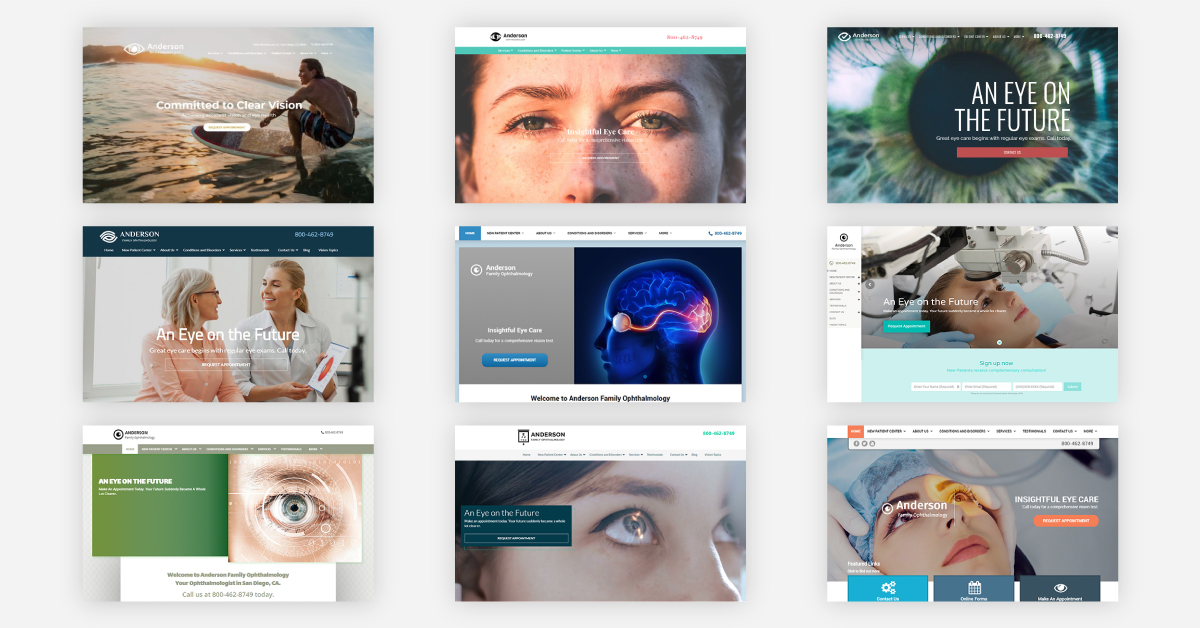
Your website is your digital storefront. It should load quickly on phones, explain your services clearly, show your frame brands and make it easy to call or book online. Web development should also cover accessibility, so every visitor can use the site. A consultant who treats your website as a patient-booking tool, not just a brochure, will get you better results.
Paid Ads on Google and Meta
Google Ads puts your practice at the top of search results when someone looks for an eye exam or new glasses in your area. Meta ads on Facebook and Instagram are better for showing off new frames, seasonal offers and your brand. Ask how your consultant sets budgets, chooses keywords and tracks which ads lead to real appointments.
Social Media for Your Optical Store and Brand
Social media keeps your practice top of mind between visits. Posts about new frame arrivals, behind-the-scenes moments, staff introductions and simple eye health tips help patients feel connected to your team. For ideas, see our guide to social media and content creation for eye care practices.
Email and SMS for Patient Retention
It usually costs less to keep a patient than to win a new one. Automated recall reminders, appointment confirmations and seasonal offers by email and text help reduce no-shows and bring patients back for their annual exams. Make sure any patient communication is handled in a HIPAA-compliant way.
Reputation Management and Reviews
Reviews are one of the first things people check when choosing an optician. A good consultant will help them boost their reputation, and yours, by setting up simple ways to ask happy customers for reviews, monitoring new feedback and responding professionally to both praise and complaints. More recent, positive reviews also help your local search rankings.
Optical eCommerce and Virtual Try-On
Some optical stores now let patients browse frames, try them on virtually or reorder contact lenses online. This doesn’t replace in-store visits, but it adds convenience and can bring in extra revenue. It’s worth asking about if online sales are part of your plans.

7 Things to Look for When Hiring Optician Marketing Consultants
Once you know which services you need, use this checklist to compare firms. These seven points will help you separate real specialists from agencies that simply claim eye care experience.
1. Proven Experience With Optical Practices and Optometrists
Start by confirming they know marketing and know your industry. Ask how long they’ve worked with optical practices, optometrists and other eye care businesses, and what kind of marketing they specialize in.
Ask for case studies from practices similar to yours in size and location. A firm that mostly serves large national brands may not have strategies that fit an independent practice’s budget. Past results with similar businesses show what you can realistically expect and give you a benchmark for success.
Also look at who you’ll work with day to day. For example, if your account manager, Olivia, specializes in optical retail and has run campaigns for other independent opticians, she’ll get up to speed faster than someone learning the industry on your account.
2. Realistic Goals and Clear KPIs
A good marketing partner helps you reach your business goals and manages your expectations along the way. Your consultant should take time to understand your practice, then build a plan with short-term and long-term goals.
Those goals should be specific and measurable, such as:
- New patient appointments per month
- Calls and booking requests from Google
- Cost per new patient
- Growth in reviews and ratings
Be cautious of anyone who promises instant results without first learning how your practice works.
3. A Service Mix That Fits Your Practice
Working with one partner that handles SEO, ads, your website, social media and reviews means fewer vendors to manage and a more consistent brand. On the other hand, if you only need help with one channel, a specialist may be the better fit. Ask what’s included, what costs extra and who does the work: their in-house team or subcontractors.
4. Transparent Reporting and Ongoing Support
You should always know how your marketing is performing. Ask to see a sample report and how often you’ll receive one. Good firms give you dashboards or regular updates that show calls, bookings, traffic and ad spend in plain language.
Support matters just as much. You should have a go-to contact for questions about your website, ads or campaigns, and edits should be handled within a reasonable time. Clear communication keeps every campaign on track.
5. Strong Reviews and Client Results
What do their clients say? Check the firm’s online reviews and testimonials to learn what it’s like to work with them. This helps you spot partners who overpromise and underdeliver.
Look for specific results, not just general praise. For example, this testimonial from Dr. Cecilia Nguyen shows how iMatrix helped her practice outrank local competition online.
6. Flexible Pricing and No Long-Term Lock-In
Your consultant should give you a cohesive plan that fits your budget and explain exactly what’s included. Ask about payment terms, contract length and what happens if you want to change or cancel services. A clear pricing structure makes it easier to plan operational expenses and judge your return on investment.
7. Knowledge of Healthcare Compliance and AI Search
Marketing for eye care comes with extra rules. Your consultant should understand HIPAA when handling patient emails, texts and reviews. They should also have a plan for how your practice appears in AI-driven search results, not just traditional Google rankings. Ask how they’re adapting their strategies as search changes.

Questions to Ask Before You Hire
Bring these questions to every discovery call:
- Have you worked with independent opticians or optical stores like mine?
- Can you share results from similar practices?
- Who will manage my account day to day?
- Which services are included, and which cost extra?
- What does reporting look like, and how often will I get it?
- Who owns my website, ad accounts and data?
- How do you handle patient privacy and HIPAA?
- What’s the contract length, and how do I cancel?
- How soon should I expect to see results?
- How do you adapt to changes in Google and AI search?

How to Measure Whether Your Optical Marketing Is Working
Good marketing should show up in your appointment book, not just in reports. Track these metrics with your consultant:
- Calls, direction requests and bookings from your Google Business Profile
- Website conversions, such as booking requests and contact form submissions
- Cost per new patient across ads and other paid channels
- Recall rate, or how many patients return for annual exams
- Review growth, including your average rating and how often new reviews come in
Review these numbers monthly and do a deeper strategy check each quarter. If a channel isn’t delivering, your consultant should explain why and what they’ll change.

Work With iMatrix’s Optician Marketing Team
Whether you want to attract more patients or encourage existing ones to explore more of your services, our team is ready to help. At iMatrix, we work with eye care practices to improve their online visibility, earn more reviews and turn web visitors into booked appointments.
Our digital marketing solutions have helped eye care businesses across the country grow. Compare our plans or schedule a call at 888.792.8384 with our team to see how we can help your practice.
FAQs
What’s the difference between an optician and an optometrist marketing consultant?
Much of the work overlaps, since both involve local search, websites, ads and reviews. An optician-focused consultant puts more emphasis on optical retail, like frame and lens sales, store promotions and brand, while optometry marketing often focuses more on eye exams and medical services. Many firms, including iMatrix, serve both.
How long does it take to see results from optical marketing?
Paid ads can bring calls within days. SEO and review growth usually take three to six months to show steady results, depending on how competitive your area is.
Is optometry becoming saturated?
In many areas, competition from chains and online retailers is growing. That makes a clear brand, strong reviews and good local search visibility more important for independent practices that want to stand out.
Will AI replace opticians and optometrists?
AI is changing how patients search for eye care, but it isn’t replacing the personal care, fittings and advice opticians provide. The bigger change is in marketing: practices need accurate, helpful online content so AI tools can find and recommend them.
Should I hire a marketing consultant or an agency?
A consultant is a good fit if you want strategy and optician advice while your team handles the work. A full-service agency is better if you want experts to run your marketing from start to finish.
Do small optical stores need a marketing consultant?
Not always, but most benefit from one. Even a single-location store can see strong results from local SEO, review management and a well-built website, and a consultant can set these up faster than learning them from scratch.