
How to Get More Patients: 12 Proven Ways to Grow Your Practice in 2026
Your schedule has open slots that used to fill on their own. A new clinic opened down the road, and fewer new faces are showing up at your front desk. If that sounds familiar, you’re not alone, and it isn’t something that fixes itself.
So, how do you get more patients? Make your practice easy to find, easy to trust, and easy to book. That means a strong online presence, happy patients who leave reviews and send referrals, and marketing that reaches the right people in your area.
Below, you’ll learn 12 practical strategies to attract new patients, from quick wins you can start this week to long-term plays that keep patient volume growing for years.

Why Patient Acquisition Looks Different Today
Not long ago, most people chose a doctor based on a friend’s tip or whoever was in their insurance booklet. Word of mouth still matters, but now it happens online too. Before they ever call your office, most patients will:
- Search Google for a provider near them
- Compare ratings and reviews on Google, Healthgrades, and other directories
- Visit your website to check services, insurance, and hours
- Look for a way to book an appointment without waiting on hold
In a recent Healthgrades research, 90% of respondents said they frequently or always read online reviews when choosing a new doctor.
That shift is good news for smaller practices. You don’t need a health system’s budget to compete. You need a clear plan, steady effort, and a way to measure what’s working.
How to Get More Patients: 12 Strategies That Work
1. Learn Who Your Ideal Patients Are
Every marketing decision gets easier once you know exactly who you’re trying to reach. A family chiropractic office, a pediatric optometry clinic, and a veterinary hospital all serve very different people, so their marketing shouldn’t look the same.
Start by looking at your best current patients:
- Who are they? Age range, family status, and the services they use most.
- Where do they live? Most patients travel only a short distance for routine care. Know your realistic service radius.
- How do they pay? Insurance plans you accept, cash-pay services, and membership options.
- What brought them in? A specific symptom, a seasonal need, a referral from other healthcare providers, or a Google search.
Write a short profile of two or three ideal patient types. You’ll use these profiles to choose keywords, plan social media posts, and target ads, so every dollar you invest reaches people who are likely to book.

2. Build a High-Converting Practice Website (Your Digital Front Door)
Your website is your digital front door. It’s often the first place potential patients decide whether to call you or keep scrolling, and it’s where most of your patient leads will come from.
A high-converting practice website should:
- Load fast and work on phones. Most people searching for a doctor are on mobile.
- Answer the basics right away. Services, location, hours, insurance accepted, and how to reach you.
- Make booking simple. Add online scheduling, a click-to-call button, and a short appointment request form. Many patients would rather book online than call during business hours.
- Show who you are. Provider bios with real photos, your credentials, and what makes your practice different.
- Include a clear new-patient path. A dedicated “New Patients” page with what to expect, intake forms, and any irresistible special offers, such as a new-patient exam package or a free consultation.
- Protect patient data. Use secure, HIPAA-compliant forms for anything that collects health information.
If your site looks dated or makes people hunt for the “Book Now” button, you’re losing patients before they ever talk to your team.

3. Optimize Your Google Business Profile and Online Listings
When someone searches “chiropractor near me” or “eye doctor in [city],” the local map results usually appear before the regular search results. Your Google Business Profile is what gets you into that map pack.
To optimize your profile:
- Claim and verify your listing, then fill in every field: categories, services, hours, phone number, website, and booking link.
- Add real photos of your office, team, and equipment.
- Post updates, seasonal reminders, and offers regularly.
- Answer common questions in the Q&A section.
Next, make sure your practice information is consistent everywhere else people look, including Healthgrades, Zocdoc, Yelp, Apple Maps, Bing, and directories specific to your field. Matching name, address, and phone details helps local search engines trust your practice and rank it higher.
4. Ask for Reviews and Manage Your Online Reputation
Online reviews are modern word of mouth. A steady stream of recent, positive reviews makes a strong first impression and helps your practice rank better in local search. Strong reputation management is one of the fastest ways to attract more patients without increasing your ad spend.
Make it easy for happy patients to provide patient reviews:
- Send an automated text or email with a direct review link shortly after each visit.
- Train your front desk to mention reviews when a patient says something positive.
- Use a short satisfaction survey first, then invite your happiest patients to share their experience on Google or Healthgrades.
Responding matters as much as asking. Thank patients for positive reviews and handle negative ones calmly and professionally. Important: never confirm that someone is a patient or mention any treatment details in a public reply. Offer to continue the conversation privately instead.
With written permission, you can also feature patient testimonials on your website and social media to build trust with people who are still deciding.

5. Create a Patient Referral Program for Existing Patients
Patient referrals remain one of the most cost-effective sources of new patients. When a friend or family member recommends a doctor, people already arrive with a level of trust that no ad can buy. Word-of-mouth marketing also tends to bring in patients who are a good fit for your practice, because they come from people like your current patients.
A well-run referral program gives patients a simple, comfortable way to recommend you. Here’s how to build one:
- Ask at the right moment. The best time is right after a positive visit or a high score on a patient survey.
- Make it easy. Add a “Refer a Friend” link to your website and emails, and keep referral cards at the front desk.
- Say thank you. A handwritten note, a small gift, or recognition in your newsletter goes a long way.
- Follow up. Automated reminders help patients complete referrals they meant to send.
You can also try a few creative ideas to keep referral programs fresh:
- Create a patient loyalty program
- Launch a seasonal campaign (for example, a back-to-school or “new year, new you” push)
- Hold exclusive patient appreciation events
- Run a community contest or giveaway
A note on incentives: rules on rewarding referrals vary. If your practice bills Medicare, Medicaid, or other federal programs, be careful with cash or gift incentives and check federal and state regulations first. Simple thank-you gestures are usually the safest option.
Don’t forget professional referrals. Build relationships with other healthcare providers in your area, such as a chiropractor and a physical therapist, or an optometrist and a primary care doctor. When physicians and clinics trust each other, patients get better care, and both practices grow.
Referral programs also support retention. Patients who feel appreciated are more likely to keep coming back, and returning patients are the ones most likely to refer again.
6. Create Compelling Healthcare Content That Ranks
Here’s how many patients start their search: they type a symptom or question into Google, not a practice name. Helpful content puts your practice in front of those people and positions you as a trusted resource long before they’re ready to book.
Search engine optimization helps your website show up for those searches, and a blog is one of the best ways to support it. To create content that brings in patients:
- Answer real patient questions. Write about symptoms, treatments, costs, insurance, and what to expect at a first visit. Your front desk can tell you which questions come up every day.
- Think local. Combine services with your location, like “sports injury chiropractor in [city],” to reach people nearby.
- Show your credentials. Have a provider write or review medical content, add author bios, and keep posts updated. Search engines and patients both look for credibility in health topics.
- Make it easy to scan. Use clear headings, short paragraphs, and an FAQ section so readers and AI-powered search tools can find answers quickly.
- Repurpose everything. Turn one blog post into a short video, a few social media posts, and a newsletter section.
Good SEO tactics take a few months to show results, but they keep bringing in leads long after the work is done. That makes content one of the strongest long-term growth investments you can make.

7. Find a Social Media Strategy That Works for Your Medical Practice
Having social media accounts isn’t the same as having a social media strategy. Social media marketing builds awareness of your brand, strengthens relationships with existing patients, and helps people get to know your team before they ever walk in.
To make social media work for your practice:
- Focus on one or two platforms. Go where your patients spend time. Facebook and Instagram are good starting points for most local practices.
- Mix up your content. Share short educational videos, seasonal health tips, team introductions, behind-the-scenes looks at your office, and patient stories (with written consent).
- Stay consistent. A simple content calendar makes it easier to post regularly.
- Engage. Reply to comments and messages promptly and keep the same privacy care you use with reviews.
Growing a following takes time, and not every post will land. Measure which posts get engagement, clicks, and booking requests, then do more of what works.
8. Invest in Paid Advertising
Content and SEO take time to build. If you need to get new patients quickly, paid advertising can put your medical practice in front of people right away, especially those who are actively searching for care.
Online Advertising
Online advertising lets you control your budget and choose exactly who sees your ads. Good options include:
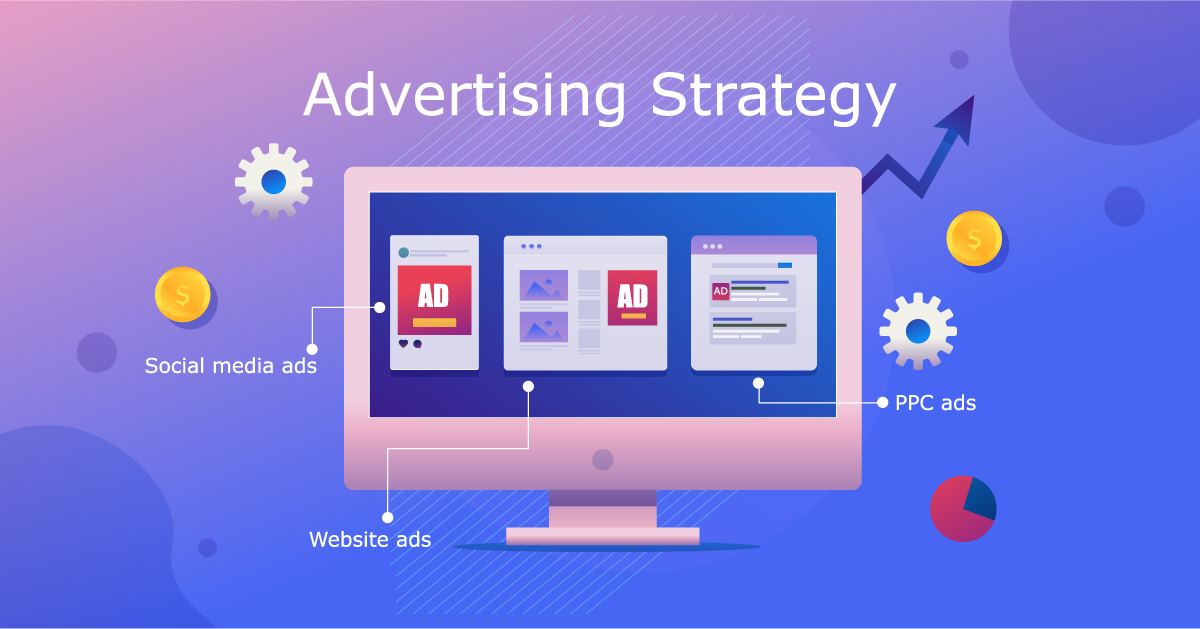
- Search ads. With PPC advertising through Google Ads, your practice appears at the top of search results for terms like “dentist accepting new patients near me.” You pay when someone clicks, and costs vary by specialty and location.
- Local Services Ads. Available for some healthcare categories, these appear above regular ads and are paid per lead.
- Social media ads. Promote your posts or new-patient offers to people in your area on Facebook and Instagram.
- Retargeting. Show ads to people who visited your website but didn’t book. Healthcare ads come with privacy restrictions, so make sure your setup is compliant.
Start with a modest budget, send ad clicks to a page built for booking, and track your cost per new patient.
Traditional Advertising
While digital marketing brings in most leads today, traditional advertising still has a place. Direct mail, local print, radio, and billboards can work well when you want to:
- Reach older patients who are less active online
- Saturate a small, specific area around your clinic
- Announce a new location, provider, or service
Use a unique phone number or web address on each piece so you can see which campaigns actually bring in patients.

9. Stay Top of Mind With Email and Text Marketing
Your current and past patients are some of your best sources of growth. Email and text messages help you maintain those relationships and bring people back.
- Send a monthly newsletter. Share practice news, health tips, new services, and seasonal reminders.
- Set up automated reminders. Appointment reminders, annual checkup prompts, and recall messages reduce no-shows and keep your schedule full.
- Reactivate inactive patients. A friendly “we miss you” message can bring back patients who haven’t visited in a year or more.
- Encourage sharing. Add a referral link to every email so patients can easily forward it to friends.
10. Become Involved in Your Community
People choose local doctors they know and trust. When you become involved in your community, you build that trust long before someone needs care, and you meet potential patients face to face.
Ideas to try:
- Host a seminar or workshop. Cover a seasonal topic your patients care about. For example, a dermatology clinic could talk about sun protection in early summer, or a chiropractor could cover backpack safety before school starts.
- Sponsor local events. Support a youth sports team, charity run, or school fundraiser.
- Volunteer. Offer free screenings or checkups at health fairs and community events.
- Partner with local businesses. Work with gyms, schools, and other healthcare providers to share resources and reach new people.
- Work with employers. Offer on-site screenings or wellness talks at local companies. Many people make healthcare decisions based on what’s convenient near work.
- Tie into health observances. Plan campaigns around events like American Heart Month or back-to-school physicals.
When people see your practice showing up for the community, they see you as a credible, caring provider, and that reputation turns into new patients over time.

11. Deliver a Patient Experience Worth Talking About
Every other strategy on this list works better when patients love their experience. A great visit leads to reviews, referrals, and loyalty. A frustrating one can undo all your marketing.
Small improvements make a big difference:
- Offer same-day appointments or a waitlist for cancellations
- Let patients fill out intake forms online before their visit
- Keep wait times short and communicate when you’re running behind
- Train front desk staff to be warm and helpful on the phone, since it’s often a patient’s first impression
- Follow up after visits with a quick survey to learn what you can improve
Happy patients come back, and they bring people with them. That’s the easiest kind of growth.
12. Track Your Patient Leads and Measure What Works
You can’t grow what you don’t measure. Tracking your lead generation and patient acquisition costs shows which strategies bring in patients and which ones are just costing you money.
- Ask every new patient how they found you. Add the question to your intake forms.
- Use tracking tools. Call tracking numbers, website analytics, and Google Business Profile insights show where leads come from.
- Watch key numbers. New patients per month, cost per new patient, website booking rate, and review rating and count.
- Review monthly. Put more into the channels that work and adjust or drop the ones that don’t.
Quick Wins vs. Long-Term Strategies to Attract More Patients
| Quick wins (start this week) | Long-term growth (3+ months) |
| Complete your Google Business Profile | Publish helpful content and build SEO |
| Send automated review requests | Grow a patient referral program |
| Add online booking to your website | Become a known name in your community |
| Launch a local search ad campaign | Build a social media following |
| Promote a new-patient special offer | Improve retention with email and patient experience |
Grow Your Practice With iMatrix
Getting more patients takes a steady mix of website, search, reputation, social media, and community efforts. For busy doctors and practice owners, keeping all of that running can feel like a second full-time job. You don’t have to do it alone.
iMatrix helps chiropractic, optometry, and veterinary practices build a strong online presence that attracts and keeps the right patients. From high-converting websites and SEO to social media and online booking, our team handles the marketing so you can focus on care.
Call 888.792.8384 or check our special pricing to get started.
FAQs
How do you get more patients?
Get more patients by making your practice easy to find, trust, and book. Optimize your Google Business Profile, build a website with online scheduling, collect reviews, encourage patient referrals, publish helpful content, and use targeted ads. Track results so you can invest in what works.
What is the fastest way to attract new patients?
Paid search ads and a fully optimized Google Business Profile usually bring the fastest results, because they reach people who are already searching for care. Pair them with a review push and a clear booking page to turn clicks into appointments.
How long does it take for practice marketing to bring in new patients?
Paid ads can generate leads within days. SEO, content, and community efforts usually take three to six months or more to build momentum, but they deliver steady patient volume over the long term.
How can a small practice compete with large health systems?
Focus on what big systems struggle with: personal service, local presence, and convenience. Strong reviews, active community involvement, local SEO, and easy online booking help small clinics stand out.
How do I get my practice to show up in AI search results?
Publish clear, accurate answers to common patient questions, keep your listings consistent across the web, collect reviews regularly, and use structured content like FAQs. These same steps also strengthen your regular search rankings.