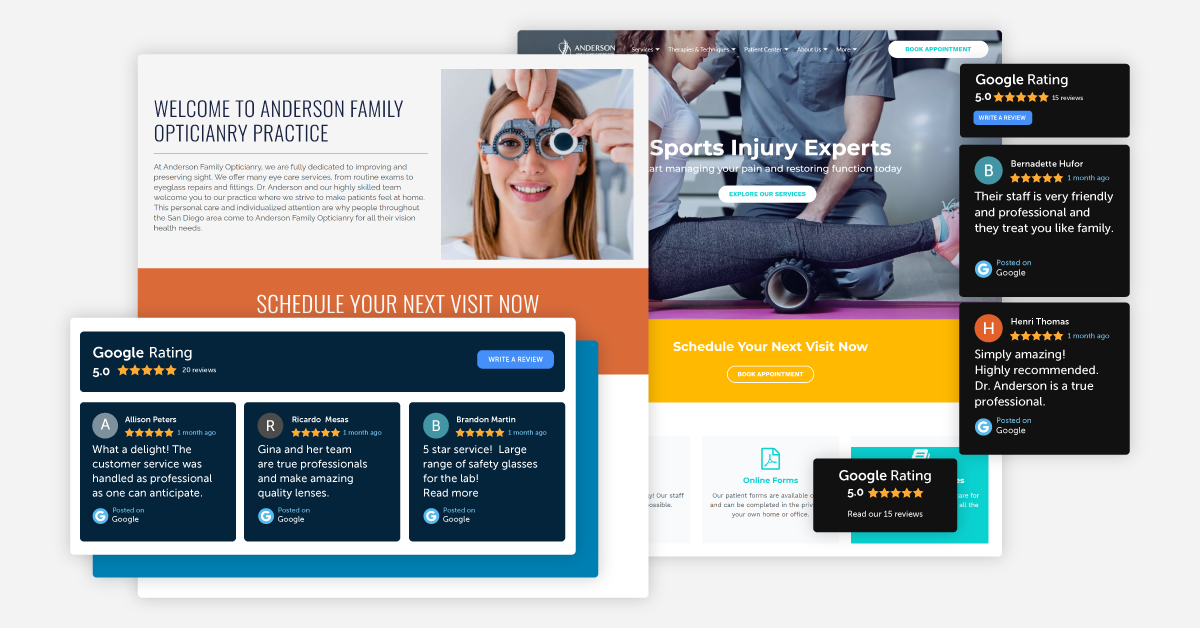
How to Build a Strong Brand Reputation: 16 Do’s & Don’ts
A single review can be the reason someone books an appointment with you or decides to look elsewhere. In fact, 85% of consumers trust online reviews as much as personal recommendations, demonstrating the significant influence of public opinion on brand reputation.
For chiropractors, veterinarians, and eye care practices, one comment or social media post can shape how your entire community sees you. It can boost customer loyalty, build a good brand reputation, strengthen connections, and fill your schedule, or it can leave you working twice as hard to earn your trust back.
This guide shares straightforward, real-world dos and don’ts to help you protect and strengthen your brand reputation. You’ll learn exactly what steps to take — and what to avoid — so you can build a trustworthy name that keeps patients coming through your doors with confidence.

What is Brand Reputation and Why Does It Matter?
Every business tells a story, and your brand reputation is how people remember that story. It is shaped by online reviews, comments on social media, personal recommendations, and the direct experiences customers have with your team.
Each detail, from a kind greeting at the front desk to the way you handle an unexpected complaint, leaves a lasting impression that adds to your overall image.
For many practices, reputation is the reason a patient picks up the phone or walks through the door. Trust drives decisions, especially in healthcare and service-focused businesses. A pet owner wants reassurance that their animal is in good hands, just as someone looking for a chiropractor wants to feel safe and cared for before scheduling that first visit. When your reputation reflects honesty and quality, it turns interest into action.
A respected image can also boost your business in unexpected ways. Practices with a strong reputation often attract more referrals, resulting in less money spent on advertising and steadier growth through word of mouth. Many patients are even willing to pay higher fees when they believe they are choosing the best care available.
Losing trust, on the other hand, can have serious costs. A poor reputation can push potential patients away, increase marketing expenses as you try to win back confidence, and make it difficult to build strong relationships in your community.
16 Do’s and Don’ts of Building a Powerful Brand Reputation

Don’t: Attack Clients for Leaving Negative Feedback
As a business owner, you do everything you can to make sure every person who comes into your practice is satisfied. But sometimes, there will be people who are not happy with a particular aspect of your brand, and you don’t want to negatively engage with those people.
It’s important to stay level-headed because that’s a reflection of you and your practice. We’ve probably all witnessed businesses arguing with customers on social media once or twice, and you never want to go down that route.
When people leave negative feedback about their experience at your practice on review sites like Yelp or Google, it’s available for millions of people to see. After they read their review, they may form a negative opinion about you without ever setting foot in your office.
READ MORE: 6 Tips for Handling Negative Business Reviews
Do: Remain Professional and Set Guidelines for Responding

Remember, you are a business that is providing a service for someone, so if they aren’t satisfied, take this time to reach out to them and resolve the issue as quickly as possible.
If you are upset after reading negative feedback, step away from your computer before you hit send. Avoid tainting your brand image at all costs. Respond to them publicly and apologize for any bad experience that they may have had, then contact them privately so that you can two can come to a mutual decision that will make both parties happy.
Respond in a timely manner so they know you value them as a client. Timing is crucial for businesses in today’s world when people expect things almost instantly. So, don’t wait for weeks to respond to a bad review.
If you have new patients or clients often, try to schedule a specific time to monitor your reviews and reply. If you cannot do it every day, once a week should help you stay on top of the latest responses.
Whether it’s you, your office manager, or someone else on your staff that is monitoring your ratings, everyone should be well-versed on the guidelines you’ve set in place for how to respond.
Don’t: Make Promises That You Can’t Keep
When you tell someone you’re going to do something, it’s crucial for your brand reputation that you stay true to your word. We know it sounds cliche, but honesty really is the best policy! If you tell a client or patient what you plan to do, they will be expecting that you will do it.

For example, if you own a chiropractic office and you send your patients email an email saying that if they refer a friend to your practice, they’ll get 30% off their next visit, and they do it, the next appointment they book with you should be discounted automatically.
If they were to arrive for their scheduled visit and you inform them that you will not be giving them a discount, that will cause problems with you and your patient. If you don’t keep your promises, that creates distrust with your brand and your patients, potentially leading to a bad reputation.
Do: Keep Your Word
Imagine the relief your patients and clients feel when they know they can count on you every single time. That sense of security doesn’t just happen on its own; it comes from doing exactly what you say you will. Honoring your promises is the heart of a strong brand reputation and shows that you take your core values seriously.
When you consistently keep your word, you show that customer satisfaction truly matters to you. This commitment transforms first-time visitors into loyal customers and helps build a positive brand image that stands out. People talk, and when they share stories about how dependable you are, it fuels positive online reviews and attracts new customers without extra effort.
To make this part of your daily routine, set clear goals and expectations for your team. Align these standards with your brand reputation strategy so every staff member knows how to deliver on your promises.
Doing this creates a dependable, welcoming environment that turns satisfied customers into brand advocates and keeps your reputation strong for years to come.
Don’t: Assume Silence Means Satisfaction
Quiet customers aren’t always happy customers. Just because you don’t hear complaints doesn’t mean everything is running smoothly. Many people stay silent even when they’re unhappy, hoping someone else will speak up or simply deciding to move on without saying a word.
It’s easy to fall into the trap of thinking no news is good news, but this mindset can slowly damage your brand reputation. If you don’t actively ask for customer feedback, you might miss warning signs that could lead to a poor brand reputation and a loss of trust. Staying connected helps you catch small problems before they grow into negative reviews or public complaints that hurt your brand image.
Make it a habit to invite open, honest feedback through surveys, follow-up calls, or even quick chats in person. Show your patients and clients that their voices matter. When you address hidden concerns early, you strengthen customer loyalty and show your commitment to a positive brand reputation strategy.
In the long run, listening closely keeps your loyal customer base happy and helps build a strong reputation that attracts new customers and encourages repeat business.
Do: Celebrate Positive Reviews Publicly

There’s something special about seeing your hard work praised in public. Sharing those shining moments not only feels good but also plays a big role in shaping your brand reputation. In fact, 93% of people read online reviews before making a decision, so highlighting positive feedback can do wonders for your business and help you build a positive reputation.
When you showcase positive reviews, you show that customer satisfaction truly matters. It signals that you pay attention, value your loyal customers, and care about building a strong brand reputation. This kind of openness encourages others to share their own stories, turning happy clients into brand advocates who proudly support your practice.
Celebrating good feedback publicly helps build a positive brand image and boosts your credibility in the eyes of potential customers. It creates a ripple effect, inspiring new customers to give your services a try and strengthening your loyal customer base.
Over time, this simple act supports your brand reputation strategy, encourages repeat business, and keeps your brand identity strong and trustworthy.
READ MORE: How to Generate Reviews That Get Results
Don’t: Use Stock Replies
We’ve all felt that moment of disappointment when we get a canned reply that sounds like it was copied and pasted for the hundredth time. Those one-size-fits-all messages might save time, but they can seriously hurt your brand reputation.
Customers look for real, thoughtful conversations. When they see a stock reply, it sends the message that you don’t truly care about their experience. Over time, these robotic answers can weaken your brand identity, reduce customer satisfaction, and turn loyal customers into frustrated critics. Ignoring this can lead to negative reviews, a poor brand reputation, and even a loss of potential customers.
Instead of falling into this trap, focus on authentic, personal responses that show you’re listening. Tailored replies reinforce your brand values and help build strong connections that encourage brand loyalty and repeat business.
Do: Proactively Ask for Feedback

People love to feel heard. One of the easiest ways to strengthen your brand reputation is to show that you genuinely want to know what your customers or patients think. Surprisingly, 65% of consumers say they would leave a more positive review if a business simply asked.
Instead of pushing for reviews forcefully, focus on creating an experience so good that customers feel excited to share it. A friendly follow-up email or a personal thank-you message can make a big difference and encourage customers to leave positive online reviews.
This small step supports your brand reputation strategy, shows you value customer feedback, and helps shape a positive brand image.
Asking for feedback also helps you understand customer concerns before they become bigger problems. You’ll learn what keeps your loyal customers and patients coming back and what might be turning potential patients away. Over time, this openness builds customer loyalty, boosts repeat business, and keeps your brand identity strong.
Don’t: Forget About Your Offline Reputation
There is a huge emphasis on the importance of protecting your online brand reputation on social media and in the digital world. But what about in person?
If you interact well with your clients and patients online, that’s great! You should make sure that they have the same experience with your business when they meet you in person as well.
If you are genuine, helpful, and reliable when they’re connecting with you through social media, they will expect the same thing when they speak to you on the phone or come in for a visit.
Do: Be Consistent On and Offline
It’s important that your brand personality be the same online and in the office. Do you want your brand voice to be professional, friendly, or informative? Establish your voice and remember this for every interaction you have with a client.
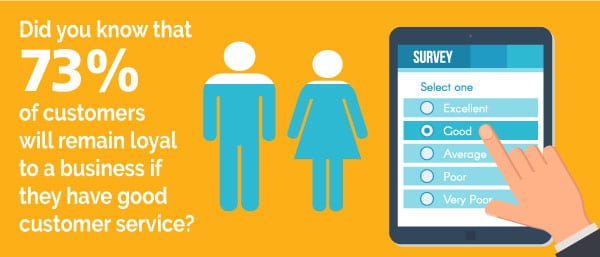
It can be very easy for your clients or patients to spot when you aren’t being authentic. Practice consistency with your brand so people always know that what they see is what they get. Provide them with quality customer service on and offline.
It should be a positive experience for new and current clients whenever they come to your practice, so you can build trust. Some tips that your business can use to provide excellent customer service are:
- Utilize automatic email responders
- Always reply to customer grievances in a timely fashion
- Be as transparent as possible with clients
- Practice clear communication
- Be sure that all your customer service representatives are aware of the guidelines for how to deal with each and every situation.
Don’t: Just Post Content and Go
Creating quality content that your audience will be happy with takes time, so when people on social platforms engage with it, don’t ignore them. Each of your social accounts should be full of content that your practice has created as well as show that you communicate with your following.
For example, let’s say you own a veterinary practice and post a video of a dog walking again after being in a cast for several weeks and it receives high engagement.
The more comments you get, the more you should be communicating with those people. Clients like when you talk back to them. It lets them know they are being heard.
Do: Create a Community and Engage With Your Audience

You want people to interact with the content you post online. This will increase your reach, likes, comments, and followers, all of which are great things! Whatever industry you’re in, join or create your own community specifically for those people.
When you have an online community, you can go to these people to test out any ideas you might have for new products, services, or anything else you would like to run by them before executing it.
The people in your community are loyal and would make excellent ambassadors for your brand. Word-of-mouth is still a great way to produce more business so when your community members speak highly of you or post positive things about your practice online, it encourages others to schedule an appointment as well.
Don’t: Overlook the Power of Social Media

If everyone else is at the party, why would you stay home? Ignoring social media is like closing your doors when customers and patients are right outside, eager to connect and learn more about you.
A strong social media presence does more than share updates — it shapes your entire brand reputation. It shows that you’re approachable, ready to listen, and willing to celebrate wins or address concerns in real time. When people see genuine posts and real interactions, they start to view your business as trustworthy and caring, which ultimately enhances your company’s reputation.
Missing out on this opportunity can leave your brand looking distant and uncaring. Customers or patients might question your commitment or turn to competitors who feel more involved. Active engagement helps you build a loyal community, inspire brand advocates, and maintain a good reputation even when challenges pop up.
Instead of treating social media as an extra task, see it as a chance to strengthen your brand identity and invite more people to be part of your story. Staying present and authentic encourages positive conversations, supports customer loyalty, and helps protect your reputation for the long run.
Do: Turn Social Media Into Proof of Great Service
Social media isn’t just for announcements or pretty photos — it’s your chance to prove that you truly deliver on your promises. When customers rave about your service, that’s pure gold for your brand reputation. Featuring those positive reviews and testimonials right on your feeds gives potential customers a real glimpse of what it’s like to work with you.
Sharing praise can take many forms. You might highlight glowing feedback in a simple post, turn a kind comment into an eye-catching graphic, or even create a short video that brings a story to life. These moments build a strong brand identity and show that you value customer satisfaction above all else. Publicly thanking happy clients also creates a sense of community and shows you’re engaged and paying attention.
But don’t stop at reviews. Offering helpful tips, tutorials, and quick resources shows that you’re not just selling — you’re supporting. This type of content positions your business as a trusted guide rather than just another service provider.
These efforts strengthen your brand reputation strategy, encourage brand loyalty, and keep your audience coming back again and again.
Don’t: Forget Who You Are

Your brand is an integral part of your business. It should be considered when making any major decisions about your practice.
When you do email campaigns, execute your content plan, and build your social media strategy, think about each of these coordinate with your brand.
Do: Stay True to Your Brand

A clear sense of identity is what helps a business stand out in a sea of similar options. Staying true to your brand starts with knowing exactly what you stand for. Taking time to review your mission, vision, and values ensures that every choice you make reflects what matters most to you and your patients.
This reflection can guide decisions, from the way you train your staff to the tone of your online messages.
A great way to keep everything consistent is to create a brand style guide. This resource helps your team understand how to communicate with patients, what kind of language to use, and how to present your services.
Whether someone is answering phones, posting on social media, or greeting a client at the front desk, a shared guide keeps your voice and image steady across every touchpoint.
When your business shows up the same way everywhere, it builds trust that lasts. Patients learn what to expect and feel confident choosing your services again and again. In a busy market where people have endless choices, being authentic and consistent is what makes your practice memorable and encourages long-term loyalty.
Building a Powerful Brand Reputation
A strong brand reputation is never the result of a single campaign or a quick fix. It requires steady, long-term effort and a strategy that evolves with your practice. Every patient interaction, online review, and community touchpoint shapes the way people see your business and influences whether they choose to trust you.
Bringing in a dedicated reputation manager, whether on your team or through a trusted partner, helps keep everything on track. This person can monitor reviews, guide responses, and adjust your strategy before small issues become larger problems.
Sharing blogs, educational resources, and community stories positions you as a thought leader and builds even deeper trust with both current and potential patients.
At the same time, preparing for unexpected challenges is just as important. A clear crisis plan with assigned roles and ready responses allows your team to act quickly and protect your reputation when it matters most.
If you want expert support to protect and strengthen your brand, iMatrix can help. Our reputation management services are designed for healthcare practices that want to build trust and attract loyal patients.
Visit iMatrix Reputation Management or call 888.792.8384 to get started.
FAQs
How can I get more positive reviews without asking awkwardly?
The best way to inspire positive reviews is to focus on delivering an excellent customer experience every time. When customers are happy, they’re more likely to share their thoughts without feeling pushed. You can encourage reviews by including friendly reminders in follow-up emails or on social media. Showcasing other positive reviews also inspires satisfied customers to speak up. By making the process easy and highlighting your commitment to customer satisfaction, you’ll build a strong brand reputation without making anyone feel uncomfortable.
How often should I check my brand mentions or reviews?
Keeping an eye on your brand mentions and online reviews should be part of your weekly routine. Regular monitoring helps you catch negative feedback early and respond before it turns into a bigger issue. Using social listening tools and reputation management platforms makes it easier to track brand mentions and stay updated. Staying engaged shows your audience that you value customer feedback, which helps build trust and keeps your reputation strong.
How can social media help my reputation?
Social media is a powerful way to showcase your brand values, engage with loyal customers, and build a positive reputation. By sharing user-generated content, highlighting positive reviews, and answering questions quickly, you show that you care about customer concerns and satisfaction. A strong social media presence helps reinforce your brand identity and encourages brand loyalty. When potential customers see your active, supportive community, they feel more confident choosing your products or services over a competitor’s.
How to overcome a weak brand reputation?
Overcoming a weak brand reputation starts with listening to customer feedback and making real changes based on it. Focus on delivering high-quality products and excellent service to rebuild trust. Highlight your core values and show that you’re dedicated to improvement through positive brand reputation strategies to ensure your business success. Sharing positive reviews, investing in reputation management tools, and encouraging brand advocates to speak up can also help shift public perception. Consistency and genuine care will slowly transform a poor reputation into a strong, trusted one.
How do I stop competitors from harming my reputation online?
While you can’t control what competitors say, you can strengthen your brand reputation by focusing on your own actions. Encourage positive reviews, build strong relationships with your loyal customers, and maintain a positive brand image through transparent communication. If false claims arise, respond calmly and factually to protect your brand identity. Using your reputation management strategy with appropriate tools helps you track online mentions and quickly address any misleading information. Staying proactive shows potential customers that your business values honesty and stands behind its services.