Chiropractor Ads: Which Are The Most Effective For Your Practice?
As a chiropractor, you already know that the key to growing your practice is seeing new patients and retaining the ones you currently have. One of the elements of an effective chiropractic marketing strategy is advertising your practice online effectively.
The majority of your potential patients will come across your practice today through a Google search. According to a recent study, 84% of patients use search engines before booking an appointment with a healthcare professional. On Google’s first page is a section of promoted websites that users will see first, related to their search.
There are different types of ads that a chiropractic office can use to attract and retain more patients. You can advertise in various ways: Organic Rank, Google Ads, and Facebook Advertising. In this blog post, you will see what types of chiropractic ads are the most cost-effective and deliver the best results for your practice. You will better understand how to maximize your chiropractic marketing budget and discover new marketing ideas.
Why Effective Chiropractor Ads Matter in 2026?
The U.S. chiropractic market is projected to grow at a CAGR of 26.3% through 2030, according to Grand View Research. More practices mean more competition for the same pool of prospective patients. Meanwhile, 77% of patients now turn to search engines before booking any healthcare appointment, and 60% research providers online before picking up the phone.
That shift in patient behavior creates a narrow window. If your chiropractic practice does not appear where people are actively looking, the appointment goes to a competitor who does.
Word of mouth and organic referrals still matter, but they are slow and impossible to scale on demand. Chiropractic advertising gives you a volume dial. Turn it up when your schedule has openings. Pull it back when you are fully booked.
With one in four U.S. adults living with chronic pain (CDC) and AI-driven search reshaping which ads get visibility, 2026 rewards practices that show up with intention rather than those waiting to be found.
Table of Contents:
- Google Ads for Chiropractors
- Facebook and Instagram Ads
- Video Ads
- Email and Retargeting Ads
- Community and Print Ads
- Measuring Ad Effectiveness
- Chiropractic Ad Alternatives
Google Ads for Chiropractors

Did you know there are over 8.5 billion searches on Google daily? When it comes to paid advertisements online, Google is the best method to use to reach your target audience.
Google ads are an excellent way to drive more qualified traffic to your chiropractic website, a specific landing page, or an online store, especially if your targeted keywords prompt potential patients to call your office.
You can boost your website’s position on the Search Engine Results Page (SERP) by bidding on keywords. Your search engine marketing ads will be text that appears in search engines such as Google, Bing, and others. It’s suitable for targeting by keywords because you pay more for clicks, but users are more likely to convert.
Search Ads vs. Local Services Ads vs. Display Ads
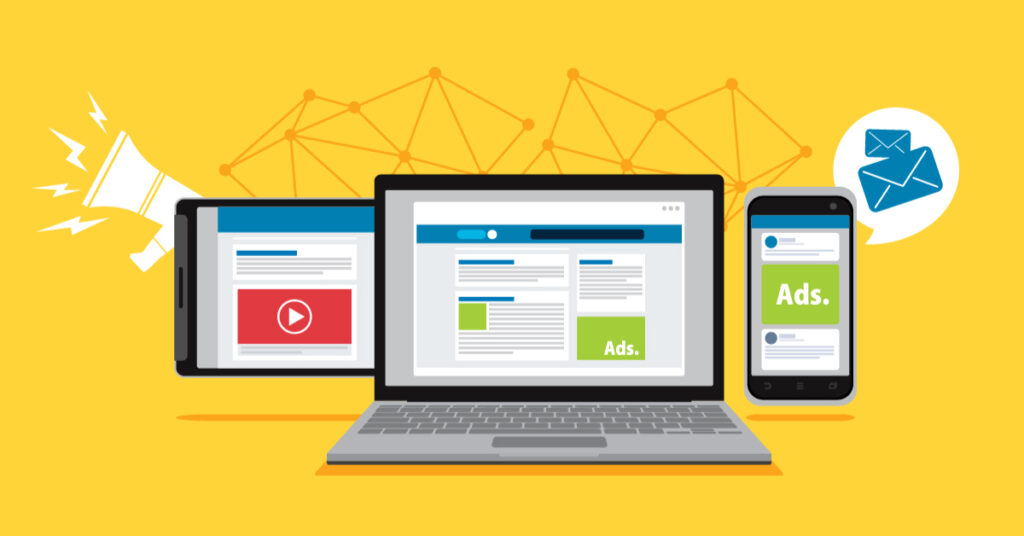
Search Ads are pay-per-click text placements triggered by targeted keywords. CPC for chiropractic terms runs $2.50 to $8 in suburban markets and $10 to $25 in competitive metros. Budget $1,500 to $3,000 monthly as a realistic starting floor for gathering useful data.
Local Services Ads appear above all other results and carry a Google Verified badge. You pay per lead ($20 to $80), not per click, which makes costs far more predictable. Qualifying requires a background check through Evident/Checkr and a verified Google Business Profile. As of 2025, GBP and LSA reviews share the same rating, so every review you earn strengthens your ad placement directly.
Display Ads serve banners across millions of websites at an average of $0.63 per click, but conversion intent stays low. Reserve Display for retargeting visitors who left your site without booking.
Priority order for most chiropractors: LSAs first, Search Ads second, and Display retargeting once the funnel is active.
Keyword Research for “Chiropractor Near Me” and Pain-Specific Terms
Every chiropractic office in your area bids on “chiropractor near me.” Smarter campaigns layer in terms of strong intent and lower competition.
Instead, use service-specific phrases:
- sciatica treatment
- car accident chiropractor
- lower back pain relief
- neck pain treatment
- chiropractor who accepts Blue Cross
Add negative keywords (“chiropractic school,” “chiropractic salary,” “DIY adjustment”) to keep your budget from leaking toward non-patient traffic. Start with phrase and exact match types for tighter control while collecting enough volume to optimize.
Tips for Writing High-Converting Chiropractor Ad Copy
Most ad copy fails because it describes the practice instead of addressing what the patient actually needs. Lead your first headline with the outcome (“Sciatica Relief Without Surgery”), reinforce credibility in the second (“Board Certified, 15+ Years”), and close with a clear call to action (“Book Online Now”).
Use assets like sitelinks, callouts, and call buttons to expand your ad’s footprint on the page. Avoid stuffing headlines with keywords. Short, benefit-focused, compelling ad copy creates successful ads that earn better Quality Scores and lower costs per click.
Here are a few examples of phrases you can use in your first ad:
- Chiropractic Care – Get An Appointment
- Save Up to 60% of Chiropractic Care
- No Appointments Needed
- $30 Walk-In Chiropractor
- $45 Off your first visit
- Massage Therapy Available
- Special Offer: 20% Off Military Discount
Here are three quick tips for writing the best chiropractic Google ad copy:
- Leverage keywords and provide the user with specific information: Do not use your practice name. Instead, use relevant phrases like chiropractors for {insert your specialty}, such as sports injury or auto injury. You should address your patients’ needs or show the value of supporting your business.
- Do not stuff your headlines with as many keywords as possible. Focus on getting your message across in as few words as possible. Use the right keywords in your sentence descriptions.
- Avoid using negative keywords. You should keep track of your competitors’ names in the vicinity, their locations, and the services they have that you don’t offer. Avoiding these keywords helps eliminate junk clicks that won’t convert into appointments.
- Include a Call To Action: Make sure your ad takes the potential new patient to a specific action. By explaining what you want the users to do, you eliminate likely patients who aren’t interested. Using this technique, you can reduce the cost of your clicks.
Facebook and Instagram Ads
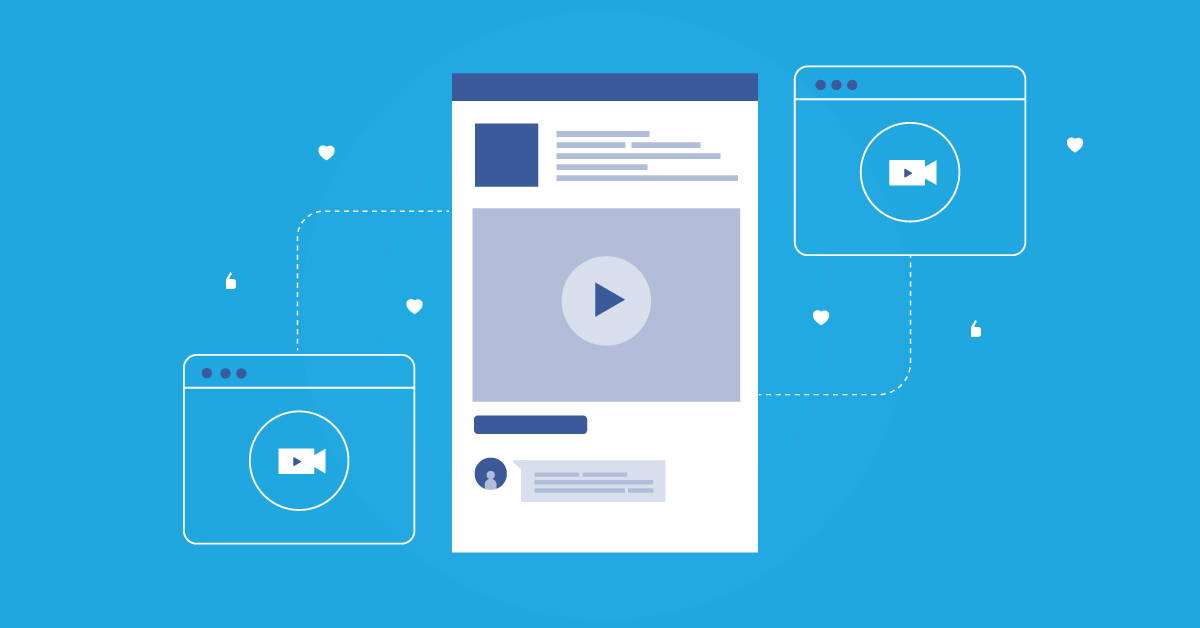
With Facebook advertising, you create and run ad campaigns based on your target audience’s location, profile information, and demographics using Meta Ads, formerly Facebook Ads Manager. Meta Ads is a centralized platform that allows you to plan advertising on Facebook, Instagram, Messenger, and WhatsApp.
People on Facebook and Instagram are not looking for a chiropractor. They are scrolling through vacation photos, recipes, and group conversations. Your chiropractic ad is an interruption, and its only job in that first second is to earn the right to keep their attention. Unlike Google Ads, which captures existing demand, Facebook advertising generates it. That distinction changes everything about how you structure your campaigns.
Since January 2025, Meta has restricted healthcare advertisers from optimizing for lower funnel events like leads or appointment bookings. Campaigns must now target upper funnel objectives: landing page views, video engagement, and reach. Chiropractic practices are still running pre 2025 campaign structures, risking policy violations without realizing it.
On cost, a typical monthly budget of $500 to $750 generates roughly 30,000 to 40,000 impressions in a mid-sized market. Cost per lead for Chiropractic Facebook ads averages $5 to $40, though the healthcare average across all Facebook campaigns sat near $52 in 2025. Q1 consistently delivers the lowest CPLs, making it the strongest window to launch new campaigns.
Audience Targeting for Pain Points (Back Pain, Sciatica)
Nobody on Facebook identifies as someone who needs chiropractic treatment. They identify as someone whose back aches every morning or whose sciatica flares up after sitting too long. Your targeting strategies should mirror that mindset.
Layer demographic filters (ages 30 to 65, within 5 to 10 miles of your clinic) with interest signals like health and wellness, yoga, physical therapy, and fitness. Upload your existing patients’ email list to build custom audiences for re-engagement, then create a 1% to 3% lookalike audience from that list to find prospective patients who share the same profile as people already paying you.
The mistake most chiropractors make is targeting everyone within a radius and hoping for the best. Specificity protects your budget.
Video Ads – Using Content to Compel Customers

Try Expert Video Sequences
Another strong approach is the expert video sequence. Start with a 60 to 90-second educational video addressing common patient concerns (“Why does your lower back pain return even after rest?”). Retarget viewers who watched at least half with a second video featuring patient testimonials or a brief clinical insight. Only then, in a third ad delivered 7 to 14 days later, present the offer to a warmed audience. This sequence builds trust before asking for a commitment, and produces higher quality leads than any discount-driven first ad.
YouTube and TikTok Video Ads
Video ads let prospective patients see your clinic, your technique, and your personality before they ever pick up the phone. That visual familiarity collapses the gap between discovering a practice and booking a first visit in ways that text and static images simply cannot replicate.
YouTube reaches people doing intentional research. Someone watching “how to fix sciatica at home” already knows they have a problem and is evaluating solutions. TikTok operates differently. Its algorithm surfaces video content based on behavioral signals, which means your adjustment clip can land in front of someone who has never searched for chiropractic care but regularly engages with health and wellness posts. YouTube serves the consideration phase. TikTok owns the awareness phase.
Provide Niche Educational Content

Few healthcare categories have a built-in content advantage like chiropractic. The sound and visual of a spinal adjustment stop the scroll almost instantly. Practices that post adjustment videos consistently accumulate millions of organic views on both platforms, and the same clips perform well as paid ad creative.
On YouTube, the first five seconds decide everything. Open with the crack, a patient’s visible relief, or a pointed question like “Still ignoring that lower back pain?” For TikTok, full-body adjustment clips and educational explainers (“Why your neck cracks every morning” or “Three stretches that actually help sciatica”) build the kind of trust that turns a viewer into a booked patient.
Always attach a clear call to action. A booking link overlay or “link in bio” prompt separates patient acquisition from passive brand building.
Short Form Hooks for Awareness and Appointments
On TikTok, YouTube Shorts, and Instagram Reels, the first one to two seconds determine whether anyone watches the rest. Starting with your name and clinic is the fastest way to lose them. Lead instead with the problem.
Hooks that perform well for chiropractor ads include pain recognition (“If you wake up stiff every morning, watch this”), curiosity gaps (“Most chiropractors won’t tell you this”), and relatable scenarios (“You’ve probably been blaming your mattress”). Each format makes the viewer feel personally addressed before you introduce your expertise.
Keep paid TikTok ads between five and sixty seconds, film vertically, and caption everything since many viewers watch without sound. Geo-targeted TikTok ads generate over 2x higher store visit conversion rates compared to other social media platforms, so always restrict targeting to within 10 to 15 miles of your chiropractic clinic.
Email and Retargeting Ads
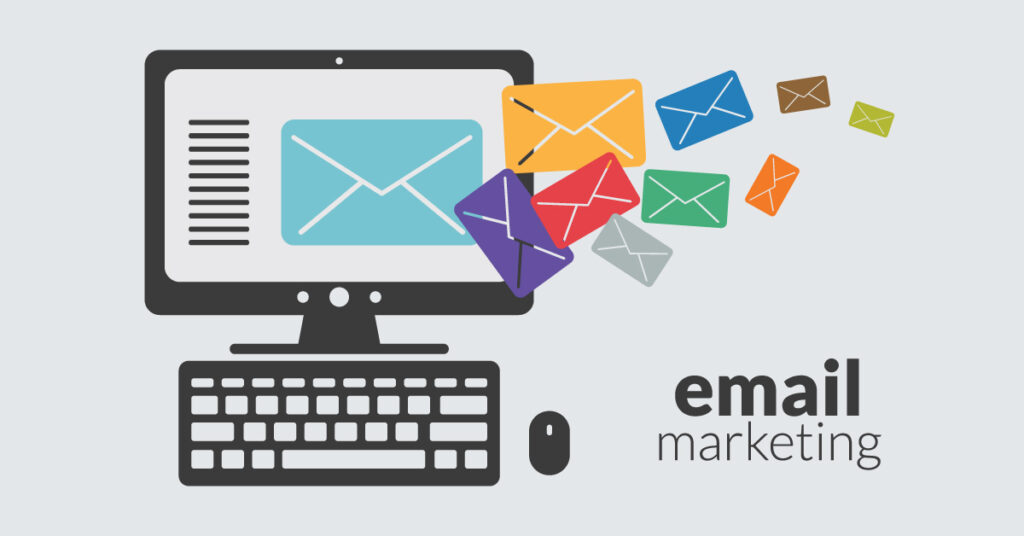
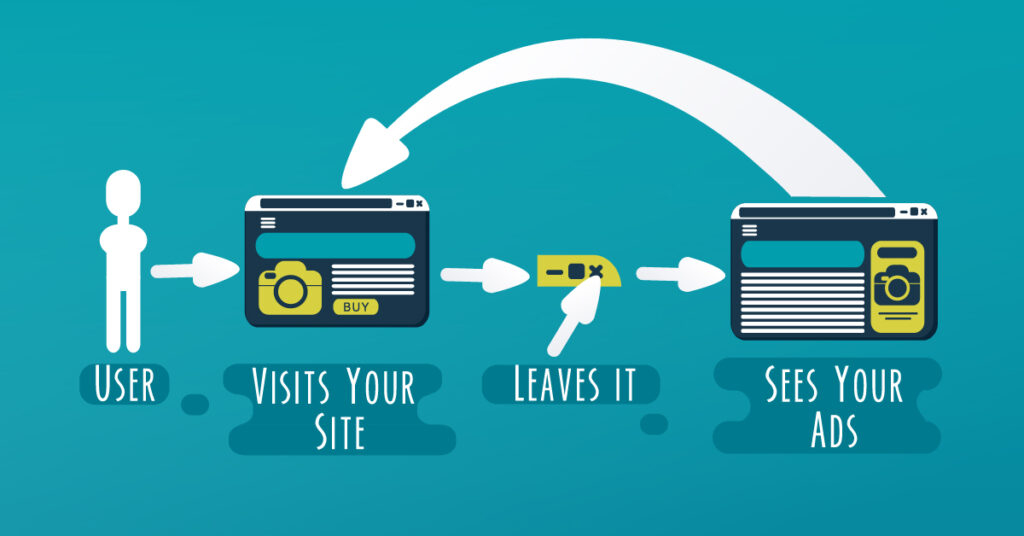
Most chiropractic practices have a leaky funnel. Potential patients inquire but never schedule. Website visitors browse your services page and vanish. These are not lost leads. They are people who already showed interest and simply need another reason to act.
Email and retargeting ads reach potential clients at a fraction of what cold acquisition costs.
Industry reports put email marketing ROI at $36 for every $1 spent, and chiropractic practices benefit even more because the recipients already recognize your name. Trust is already in place. You just need to stay visible.
Nurturing Leads with Promotions and Reminders
A lead who does not book after the first interaction is delayed, not gone. An automated email sequence keeps your practice present through that decision window.
Send a warm confirmation within five minutes of a form submission with a direct booking link. Follow up 48 hours later with educational content tied to their concern (“Three things most people with lower back pain overlook”). By day five, introduce a soft offer with available appointment reminders. On day ten, share a brief patient testimonial or positive feedback that mirrors the lead’s likely condition. Close the sequence at day fourteen with a low-pressure message that leaves the door open.
For existing patients who have not visited in 90 to 180 days, a seasonal re-engagement campaign (“Start your spring with a healthier spine”) reactivates relationships without feeling pushy. Segment your list by last visit date and condition type to sharpen relevance and boost open rates.
Pixel Setup for Website Visitors
Before running any retargeting campaign, install the Meta Pixel and Google Tag on your website. Without these, you cannot build custom audiences from visitor behavior, which means your highest intent prospects go completely unaddressed.
The Pixel places a small cookie on every visitor’s browser. When that person returns to Facebook or Instagram, your chiropractic ads follow them. Someone who viewed your sciatica services page but did not book becomes a warm retargeting prospect within hours.
Install through Google Tag Manager for the cleanest setup. Verify that events fire correctly on your homepage, services pages, contact page, and booking confirmation. Create separate audiences for all visitors in the past 30 days and high-intent visitors (contact or booking page) from the past 14 days.
Set a frequency cap of two to four impressions per user per day. Retargeting should remind current patients and recent visitors of your practice, not overwhelm them. Overexposure turns a powerful tool into an annoyance.
Community and Print Ads
Context determines whether traditional advertising earns its place in your chiropractic marketing campaign. A clinic in a dense urban market with dozens of competitors will see almost no return from a newspaper placement. A practice in a smaller community where residents still read the local paper operates in an entirely different reality.
The broader pattern in 2026 is that print advertising and community events work best when they reinforce your digital presence rather than stand alone. A potential patient who notices your name on a youth soccer banner and later encounters your Google ad carries a familiarity that makes them far more likely to book. That two-touch effect is where offline channels earn their value.
When Print Still Works (and When to Skip It)
A full-page ad in a regional magazine costs $800 to $3,000 per insertion with zero targeting, no tracking, and no way to attribute a single appointment. That same budget in Google Ads would deliver 100 to 300 clicks from people actively searching for chiropractic care right now.
Print still earns a place in narrow scenarios. Community newsletters distributed at farmers’ markets or local centers can generate real referrals when the content offers something useful (“Posture tips for back-to-school season” rather than a generic welcome message). Sports team programs, church bulletins, and HOA publications reach hyperlocal audiences that digital-only practices routinely overlook. Direct mail postcards to specific zip codes with your ideal demographic can also bring new patients at a reasonable cost when the offer and design are strong.
Skip print for urban markets with heavy competition, publications you cannot measure, and any placement reaching audiences outside your drivable radius.
Positioning as Local Expert with Events and Dinner Talks
Community events remain one of the most underused patient acquisition strategies in chiropractic. Invite 15 to 30 residents to a free dinner or lunch. Present for 20 to 30 minutes on a topic like back pain prevention or spinal health, then offer a discounted evaluation to attendees.
Face-to-face trust is what makes this format so effective. Conversion rates from dinner talks often land between 30% and 50% of attendees, compared to 5% to 15% for digital leads. Promote these events through Facebook ads and Google Display campaigns to fill seats, collect RSVPs online, and follow up with non-attendees using a targeted ads sequence.
Partnerships with gyms, physical therapy offices, and corporate wellness programs expand your reach to a broader audience. A “Lunch and Learn” on ergonomics for a local employer can convert three to five employees from a single presentation while generating video testimonials and satisfied patients who refer others through a built-in referral program.
Measuring Ad Effectiveness
What makes your digital marketing efforts such a worthwhile investment is how you can measure how your advertising strategy is faring. Before you start any campaign, you should have specific yet attainable goals to run successful campaigns. For example, aiming for 20% more Instagram followers would be better than simply increasing your follower count.
Another vital measure of success is your site traffic. You should conduct a site audit before and after your campaign to determine how many more people you’ve been able to reach through advertising.
Moreover, you should analyze your lead quality. Check out the pages they visit. Do they look through your services page or just your blog posts? How long do they stay on your web pages? How did they find your website? Focusing on the quality of your leads and improving them can help you land more new clients.
Chiropractic Ad Alternatives
Aside from advertising, you should use other online marketing strategies to improve your campaigns. Search engine optimization can be exceptional in promoting your clinic organically. You can direct users to a specific landing page you want to promote. Through the proper utilization of keywords and backlinks, you can significantly boost your website’s visibility on the coveted first page of search engine results.
Another alternative you should explore is online directories. If you haven’t claimed your business listing in online directories yet, you should. Moreover, you should ensure all information about your clinic in online directories is accurate and updated. This tactic helps direct more traffic to your website and social media pages for free.
When to Hire Experts for Your Chiropractor Ads
Managing your own ads without hands-on experience puts real money at risk. Every unoptimized click drains budget that could have brought new patients through your door.
If your campaigns have produced no trackable patient acquisitions after three months, your cost per lead keeps rising, your ad account has faced restrictions, or you spend above $1,500 monthly without time to monitor weekly, professional management is worth the investment.
Contact iMatrix at 888.792.8384 or visit to check special pricing to build a structured advertising strategy for your practice.
Frequently Asked Questions
What are the top keywords for chiropractor ads?
“Chiropractor near me,” “back pain relief,” “chiropractic adjustment,” “neck pain,” “sciatica relief,” and location-specific terms like “chiropractor in [city].” These drive high search volume for ads.
What are Google Local Services Ads for chiropractors?
Google Local Services Ads (LSAs) place chiropractors at the top of searches with a “Google Licensed Verified” badge after license, insurance, background checks, and 3+ star reviews verification.
Are Instagram or TikTok ads effective for chiropractors?
Yes, effective for younger audiences via short videos on adjustments, exercises, and tips. Gen Z discovers services on these platforms (67% Instagram, 62% TikTok), building demand before Google searches.
How do I use testimonials in chiropractor ads?
Obtain explicit written HIPAA-compliant consent before using. Feature authentic video/text stories focusing on general experiences, not specific diagnoses, to build trust legally.
Are Facebook ads good for chiropractors?
Chiropractor Facebook ads can help reach the target audience effectively. You can get potential new patients and foster relationships with current patients through effective Facebook ads.
How long does it typically take to see results from chiropractic advertising?
You can expect results in as fast as a month. However, giving it at least three to six months before recalibrating your advertising efforts for maximum effectiveness would be ideal.
How can I measure the ROI of my chiropractic ads?
The metrics would depend on the type of advertising strategy you’re using. For Google Ads, you should measure site visits and refer to conversion rates when using social media ads.
Is it worth hiring a professional agency to manage my chiropractic ads?
Yes, hiring a professional agency allows you to get expert insight on the best strategies for your clinic. You won’t have to learn everything about advertising from scratch because the experts understand you and your goals.
Are Print Ads still effective for chiropractic practices?
Yes, there is still value in investing in print ads. Traditional advertising allows you to reach people who may not be online, and it can lead to more exposure in your local area.